
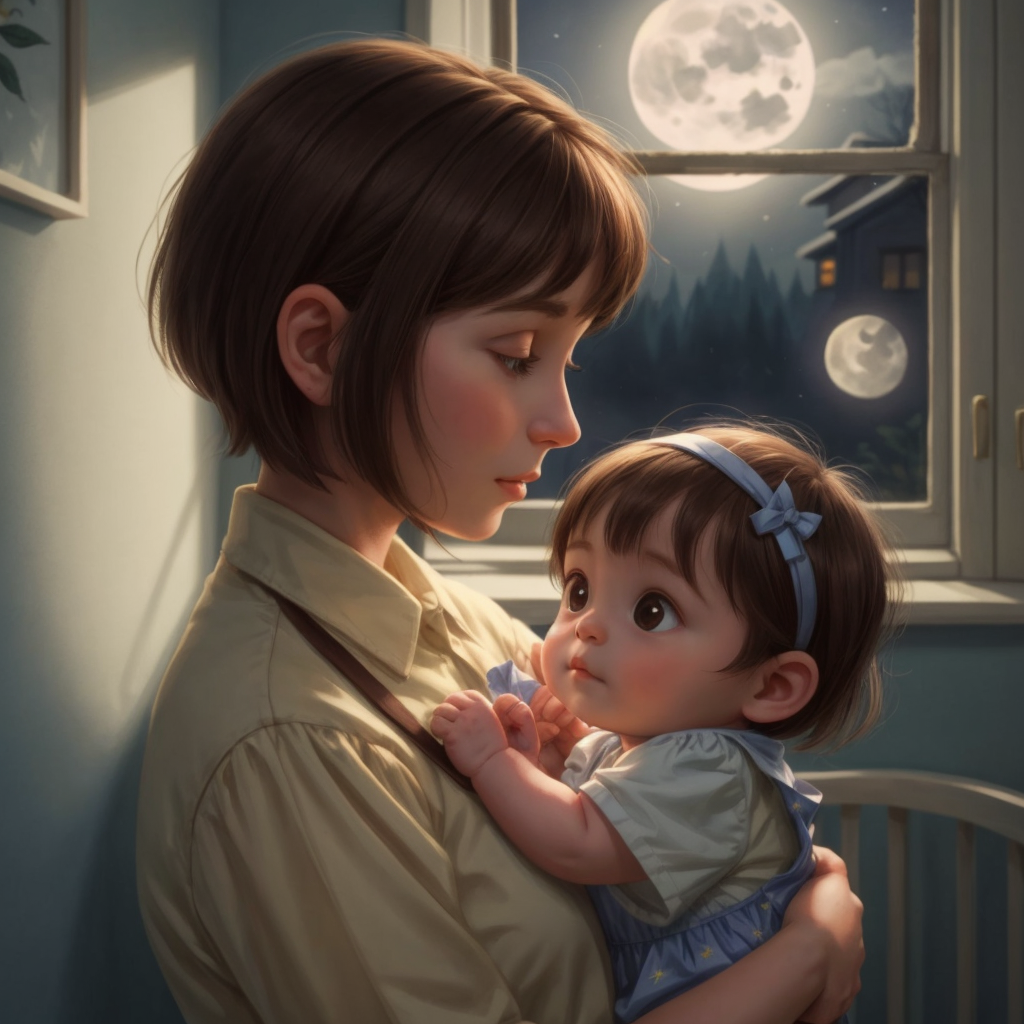
 Start Read
 Recommend
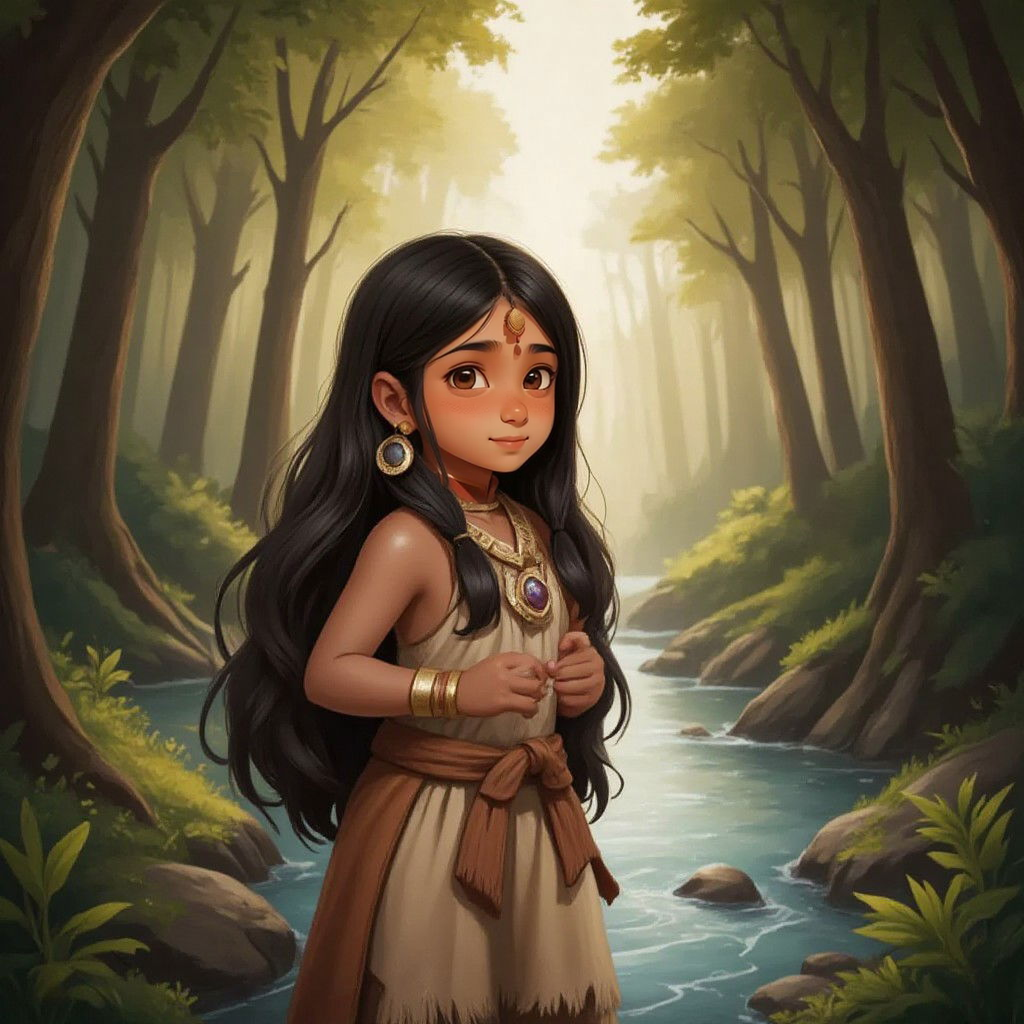
This is a story about Karana who has set out to find food for winter but something happens that stops her
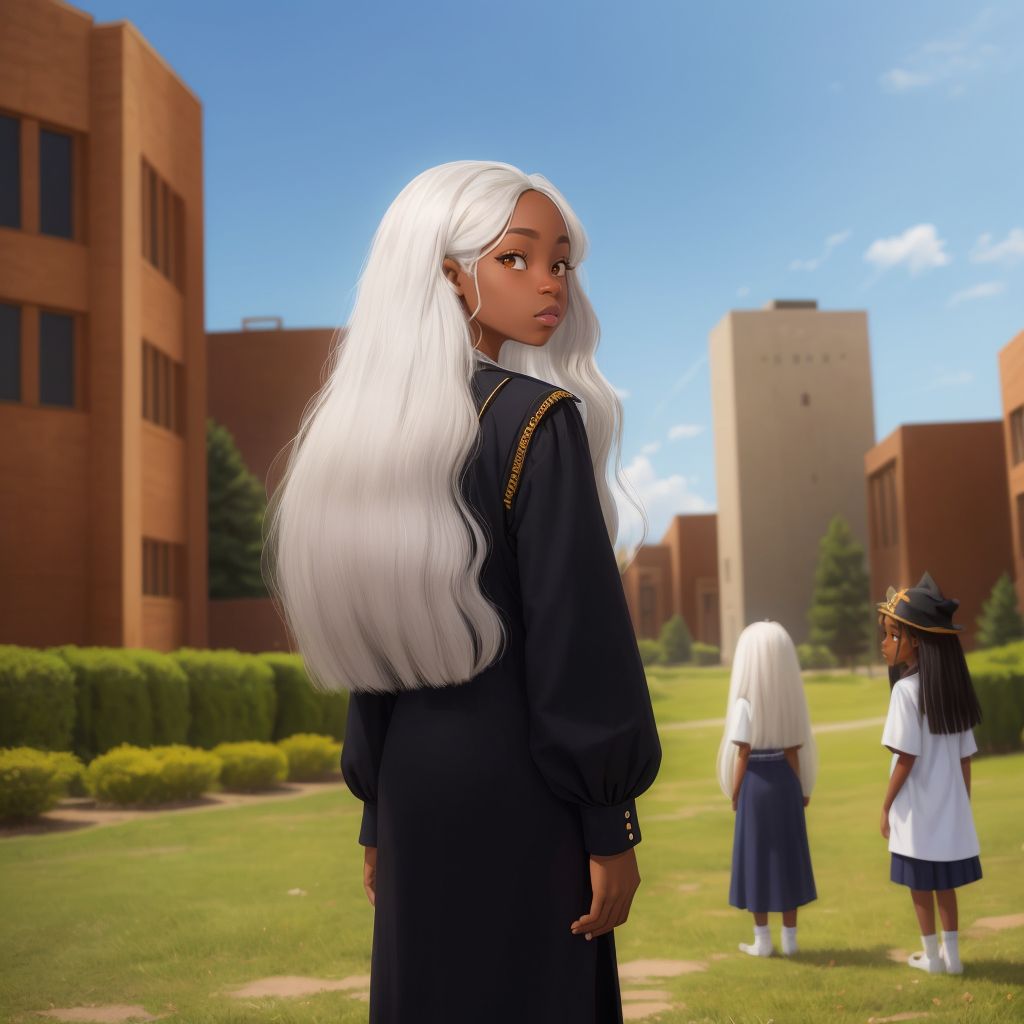
ester was a dark witch unlike her sister blair she was a light witch but they would have to come together to save there school
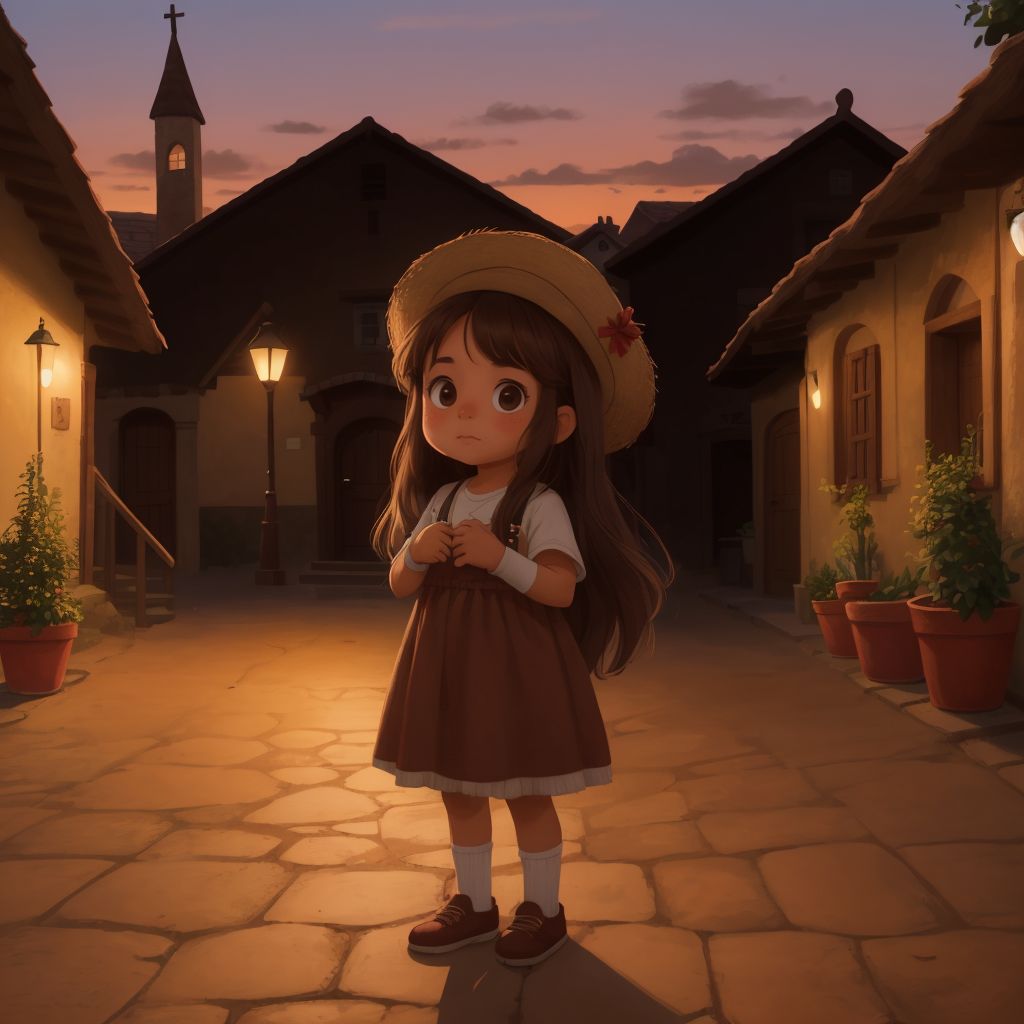
A girl whose identity gets misinterpreted

A friend shows up late all the time, but you never tell your friend instead you text about them behind their back
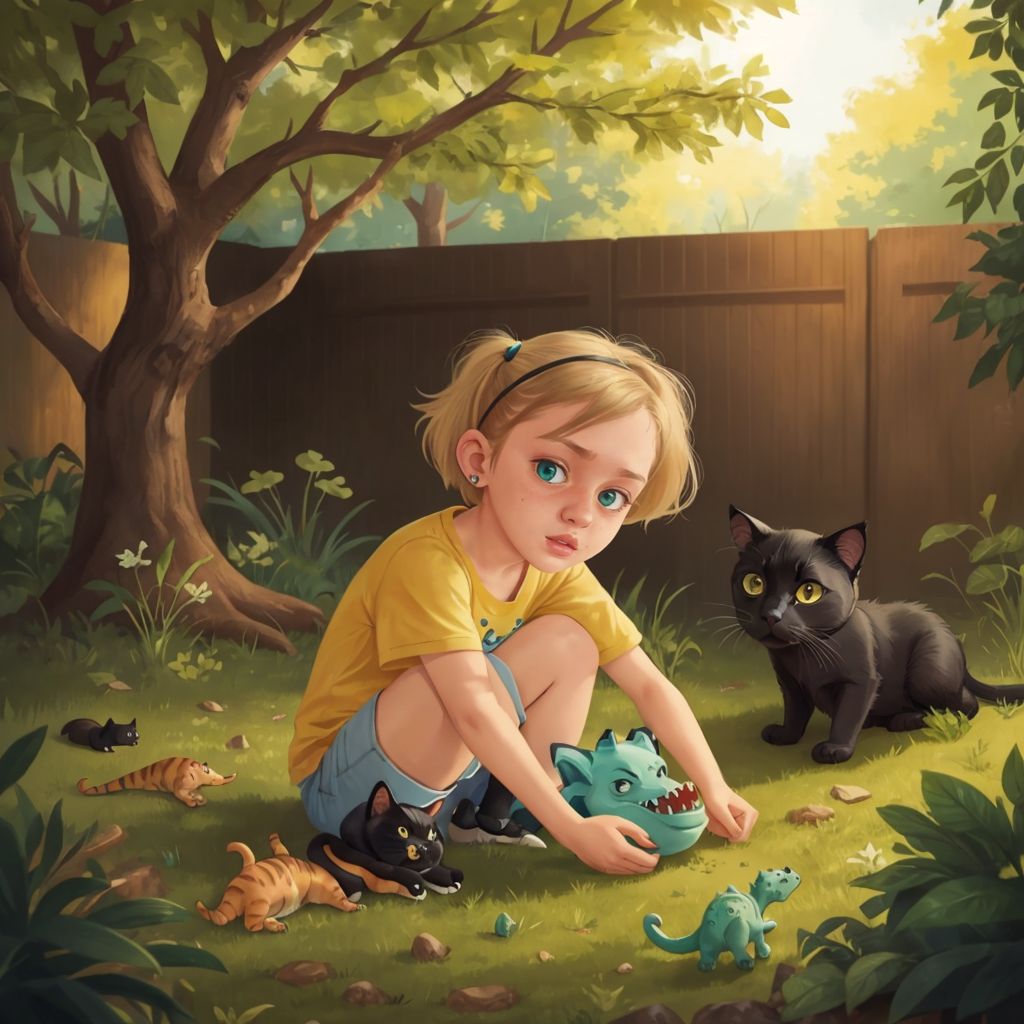
1. Hailey an 11-year-old dinosaur-loving kid meets a black cat with big Green eyes. 2. Dax the Black cat 3. Dax goes to 5th Grade 4. Jelley follows Dax
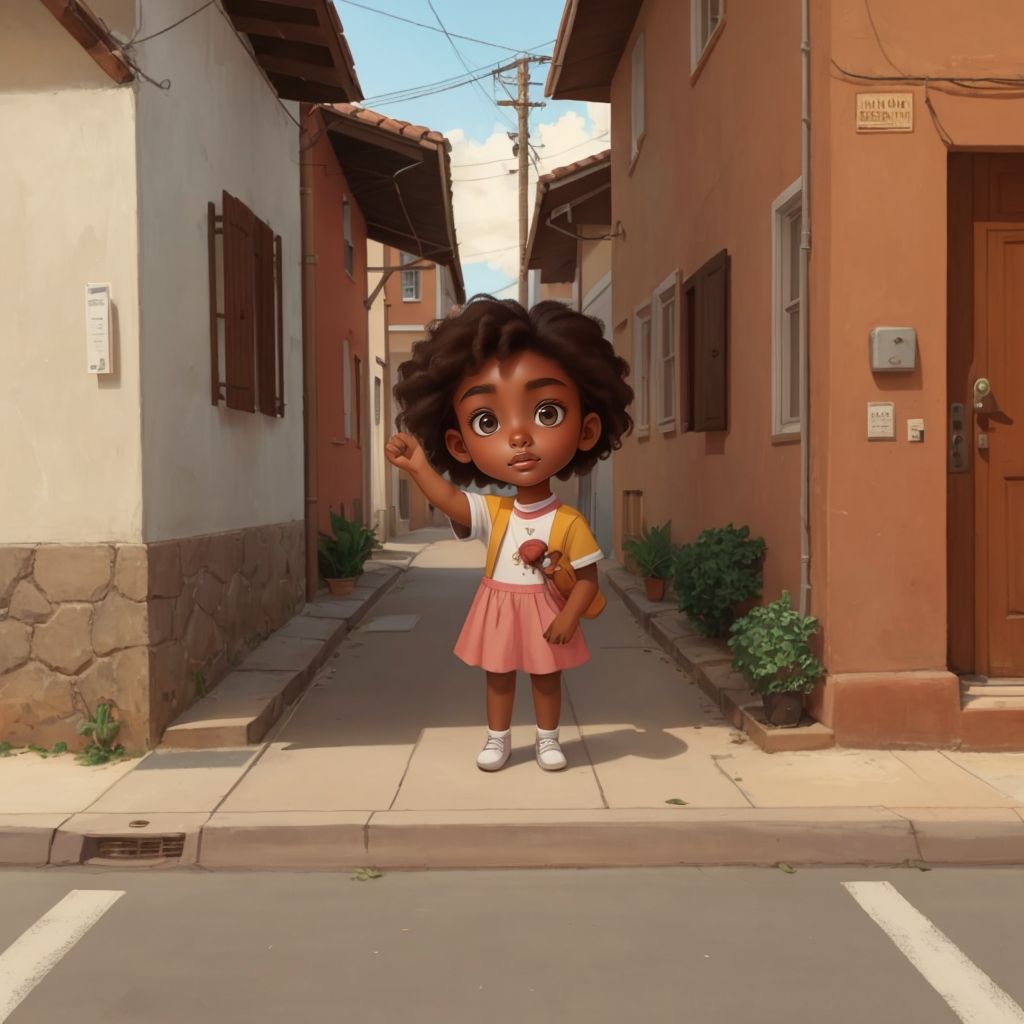
A lovely balck girl who loves people everywhere

In this there is a man who was going to a city where he cant find job. There a boy named Zarrar helped him and he became the richest man in the World.
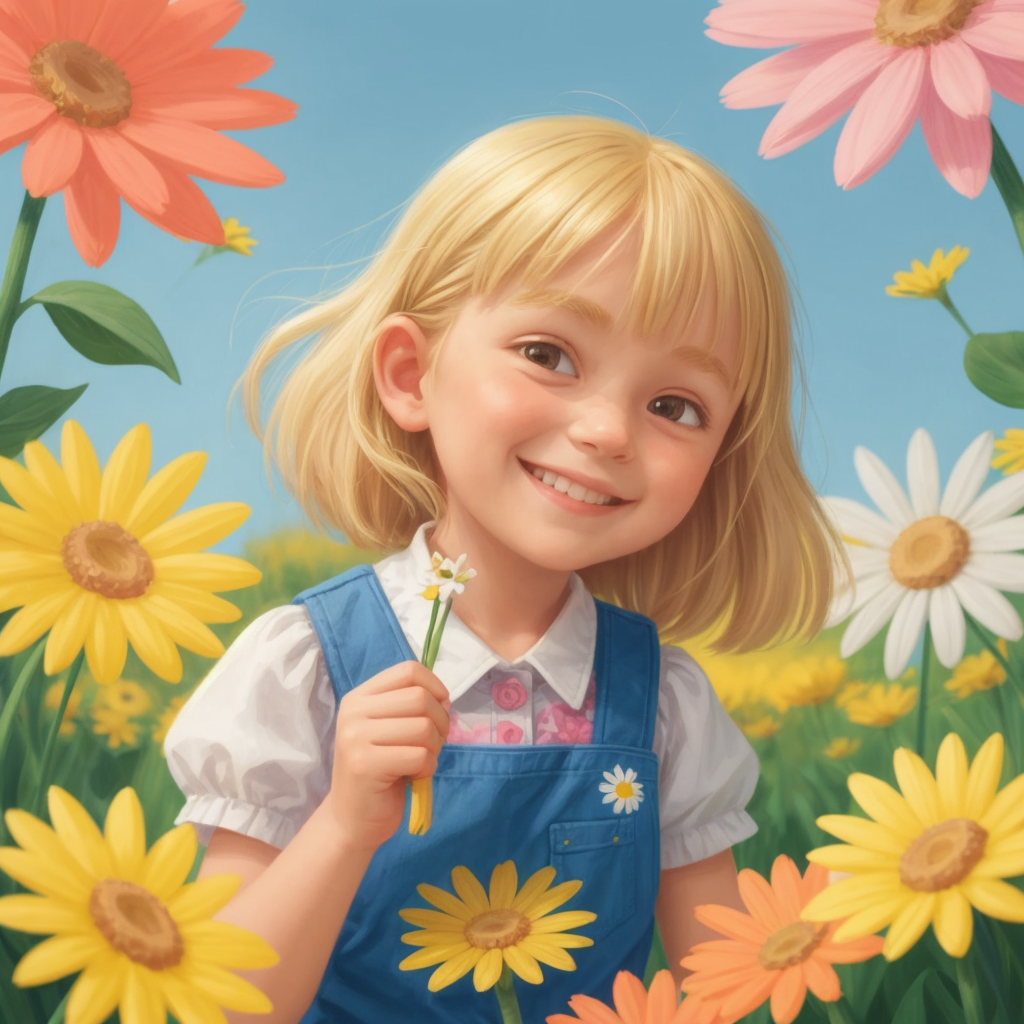
In the extraordinary floral city, lives a simple girl named Alice, who adores daisies. Together with the magical Fairy Polly, she saves the city from evil insects, restoring strength and beauty to the flowers. Thanks to their kindness and magic, the city is once again filled with joy and laughter.
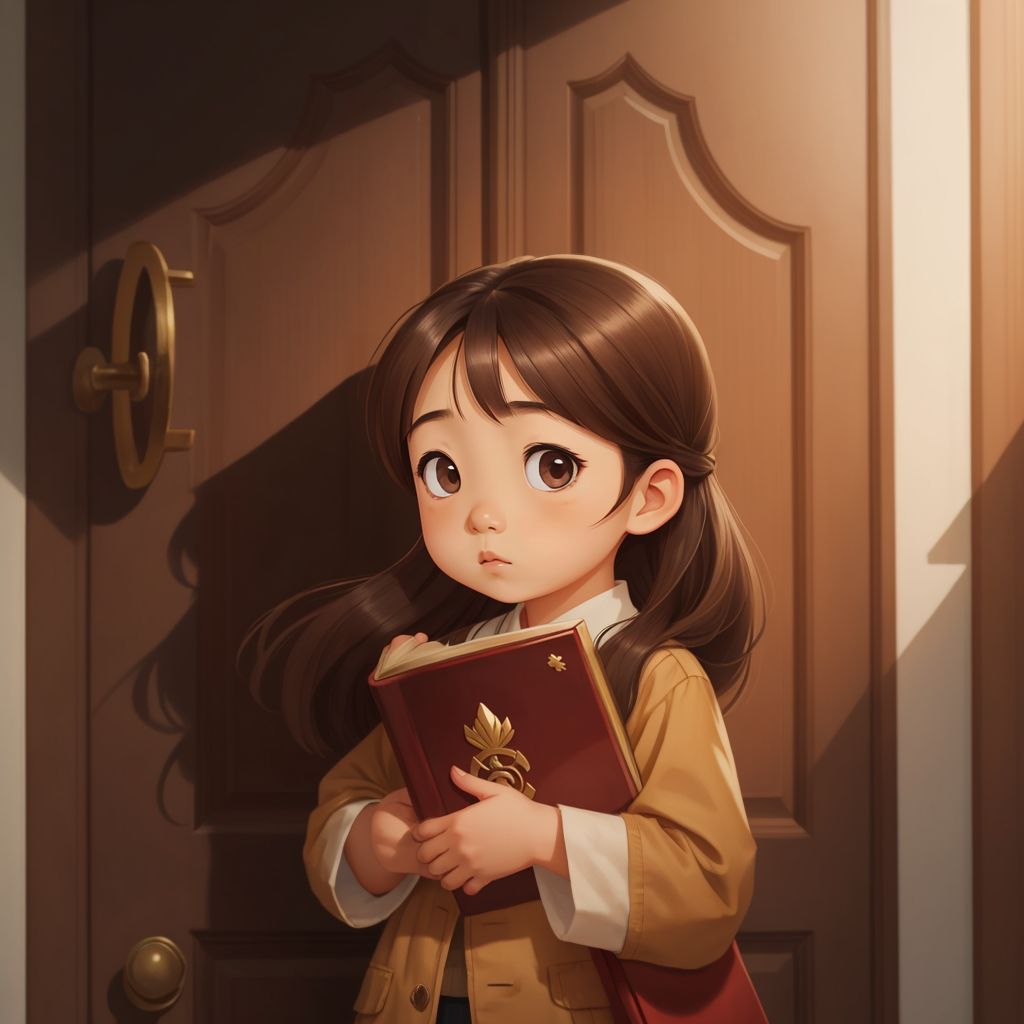
little Ellie learns English letters in the form of poems
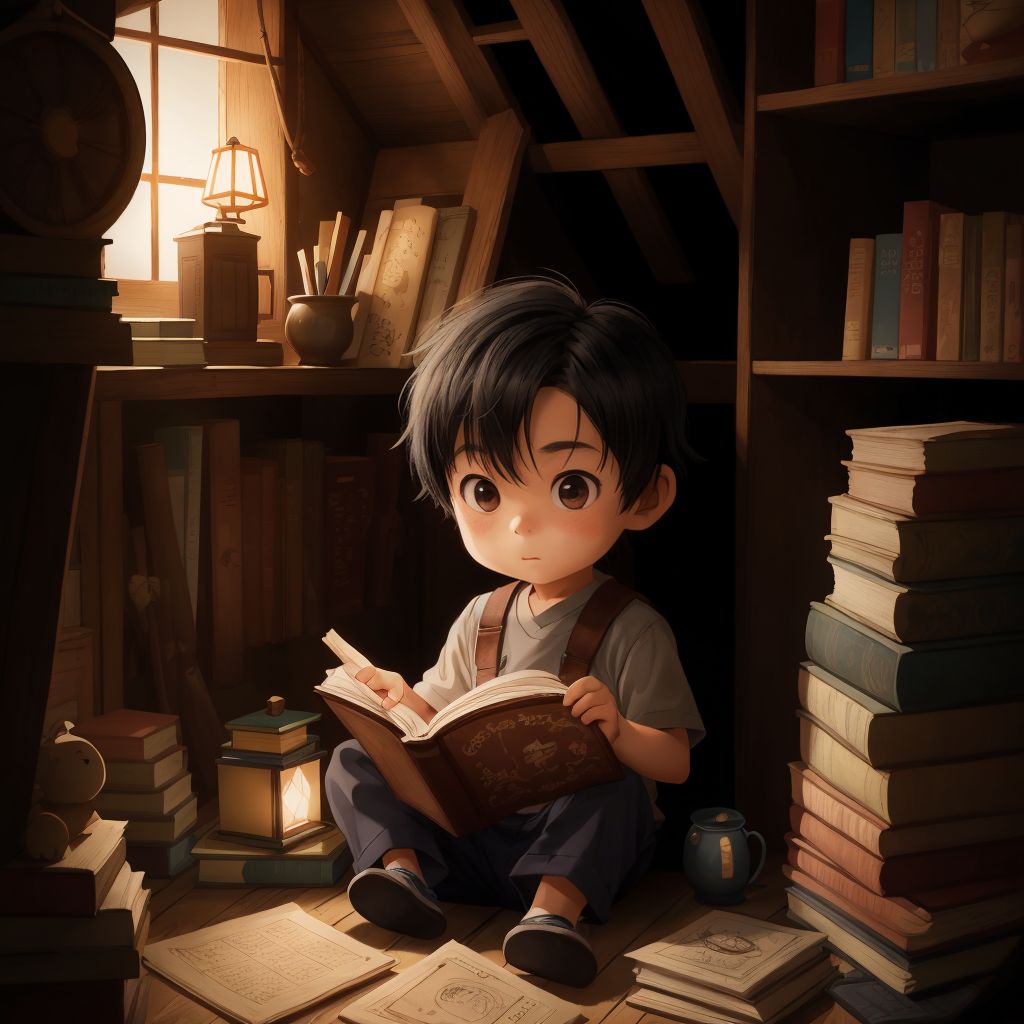
One day, a boy named Matthew found an old book in their attic. The book was titled "The Journey to the Kingdom of Numeroland." When Matthew opened the book, the pages suddenly lit up and a bright light exploded in front of him.
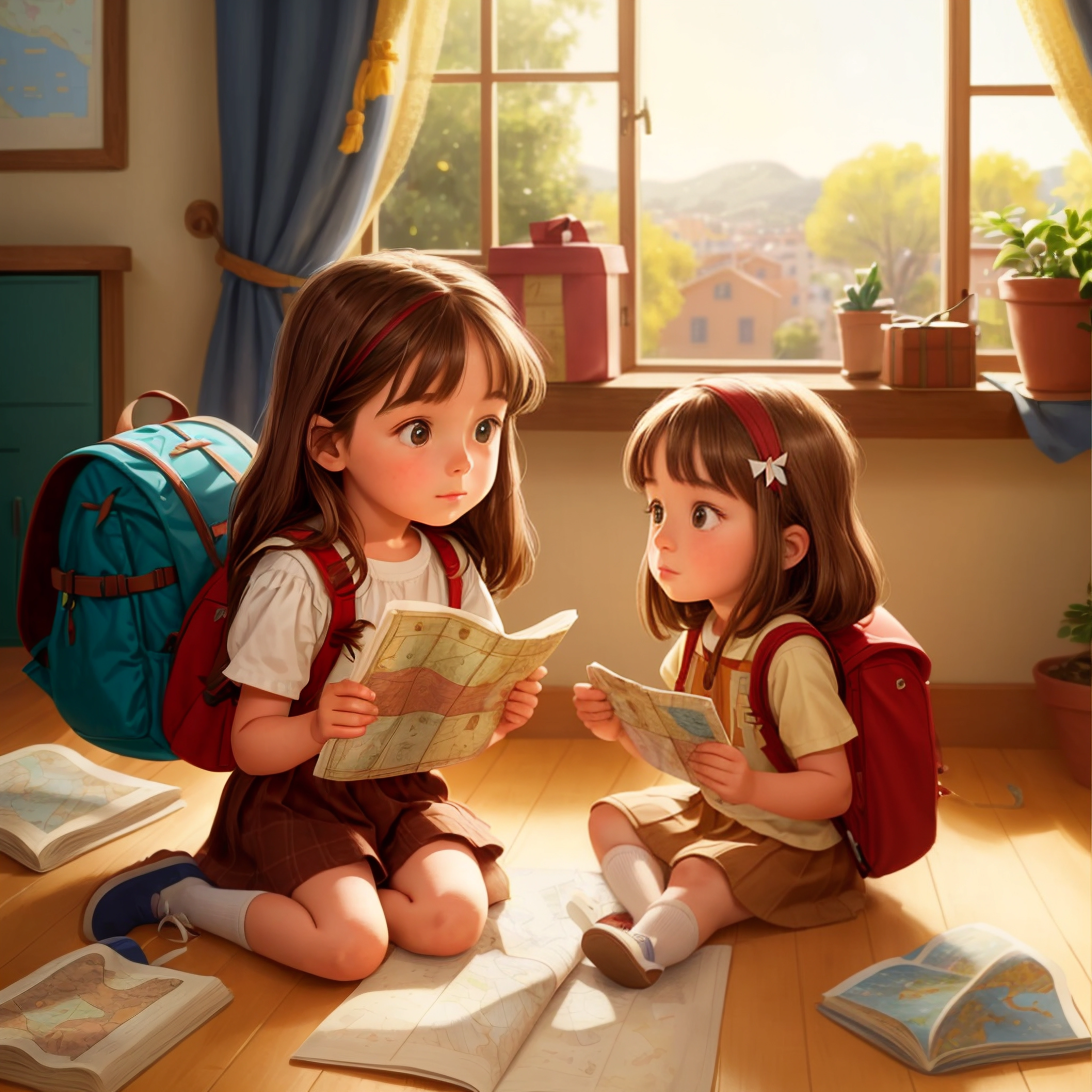
Introduction Meet June (9) and Ava (3) in Ventura, California. Planning the Trip June suggests a train trip to Santa Barbara; they pack essentials. At the Ventura Station Capture their excitement; describe the bustling station. The Train Ride Enjoy coastal views; interact with passengers; play games. Ava's Lost Toy Toy goes missing; search through the train, meet diverse passengers. Exploring Santa Barbara Visit landmarks; learn about local history and culture. The Return Journey Reflect on adventures; scenic evening train ride back. Homecoming Safe return; share memories; plan future adventures. Conclusion Emphasize joy of exploration, family bonding, and educational travel.

كانت زينة، فتاة سمراء ذات شعر مجعد وعينين بنيتين لامعتين، تعيش في قرية ساحلية صغيرة. كانت زينة تعشق البحر، تقضي ساعات طويلة على شاطئه تراقب الأمواج المتلاطمة والطيور البحرية المحلقة

Boy is worried when his daddy leaving him at playschool to go to work. He finally get used with the teachers and friends and happy.

2nd Grade Version To understand why the American Revolution happened, we need to look back at the years from 1754 to 1763. During this time, the British and the French were fighting in a war on land that is now part of the United States. This war is called the French and Indian War. The British wanted to control more land, and the French wanted to keep their land. Many Native Americans chose to help either the British or the French during this war. In 1759, British soldiers went to a city called Québec in Canada and won a big battle there. They took over another city called Montréal the next year. After that, there weren't many big battles left between the British and the French in North America. The fighting mostly stopped by 1763 when a peace agreement called the Treaty of Paris was signed. Why did the British start taxing the colonists, and why did this make them mad? The British government made laws and taxes that affected the colonists. Many colonists felt proud to be British, but they believed they had rights that the king should protect. They didn't like the Stamp Act, which was a new tax. In Virginia, some leaders, called the House of Burgesses, said that the British Parliament shouldn’t be taxing them. In 1765, the prime minister of Britain was George Grenville. He created the Stamp Act because he needed money to pay for British soldiers in North America. He thought the colonists should help pay for these soldiers who were protecting them. At first, the British leaders were surprised by how upset the colonists were. Grenville did not listen to their complaints and was eventually replaced in 1766. A leader named George Washington fought in the French and Indian War along with the British. He helped lead soldiers against the French. He became a well-known leader and was even elected to help make laws in Virginia.
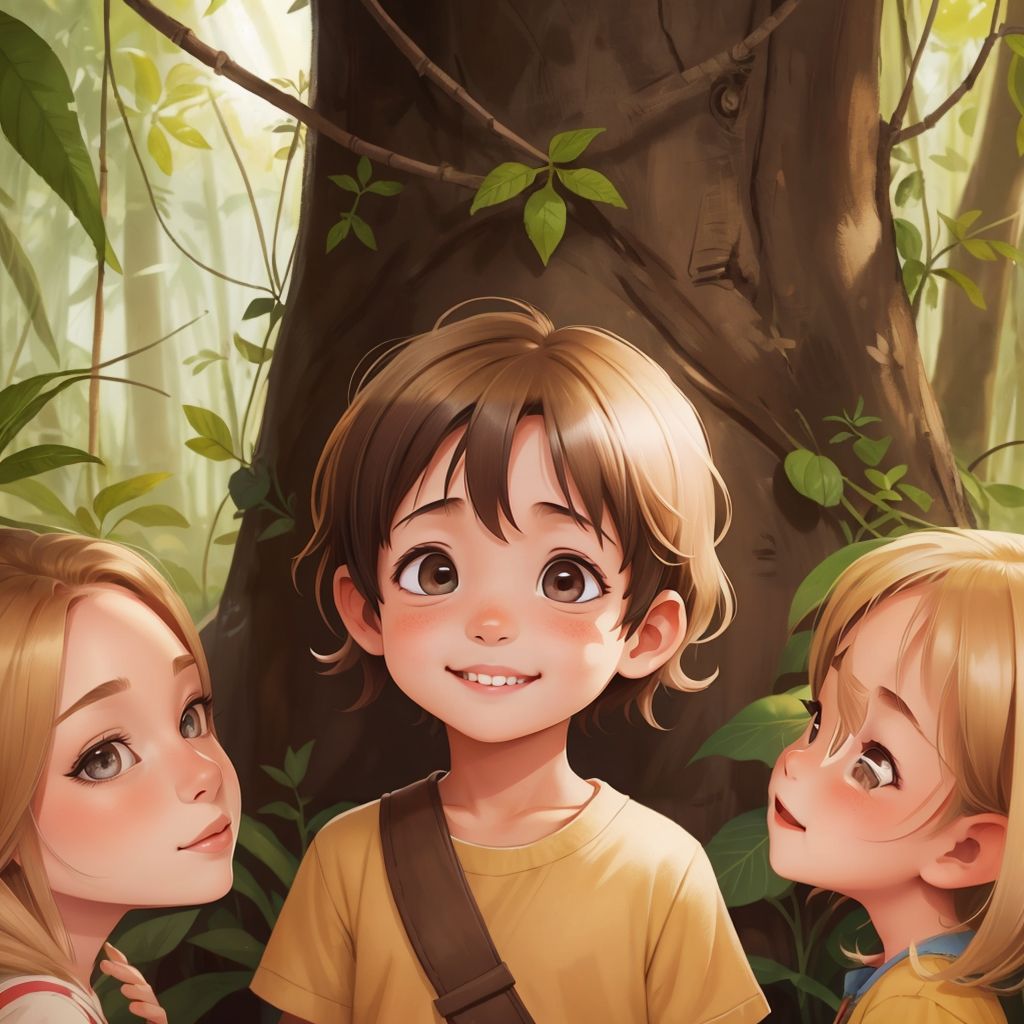
Page 1: Osh, Ish, and XL were confused. "Why is Jesus talking about dirty hands?" Osh asked. "It's not about actual dirt," Jesus smiled, "It's about what comes out of our mouths." Page 2: Some Pharisees were upset because Jesus' disciples didn't wash before eating. "It's not what goes in that makes us unclean," Jesus explained, "But what comes out of our hearts." Page 3: "Like mean words?" Ish asked, thinking about when she called Osh a meanie. "Yes," Jesus nodded, "Our words can hurt more than dirty hands." Page 4: XL explained, "We have to be careful what we say, because our words show what's in our hearts." "So we need to clean our hearts first?" Osh asked. Page 5: "Yes," Jesus said. "If we have kindness and love in our hearts, our words will be kind and loving too." "Like saying sorry when I'm wrong?" Ish asked. Page 6: "Exactly," XL smiled. "And complimenting Osh on his drawings?" "Even if they look like scribbles?" Ish giggled. Page 7: "Everyone makes mistakes," Jesus said gently. "But it's important to learn from them and try to be better." Page 8: "So, washing our hands is still important?" Osh asked, wanting to be sure. "Yes," XL chuckled, "We need clean hands and clean hearts!" Page 9: Osh and Ish thought about this. They realized that being kind and choosing kind words was just as important as washing their hands. Page 10: "From now on, I'll try to use my words to make others happy, not sad," Osh declared. Page 11: "Me too!" Ish chimed in. "Let's spread kindness, not germs!" They all laughed. Page 12: As they continued on their journey, Osh and Ish remembered Jesus' lesson. They learned that true cleanliness came from within, and that their words had the power to hurt or to heal.
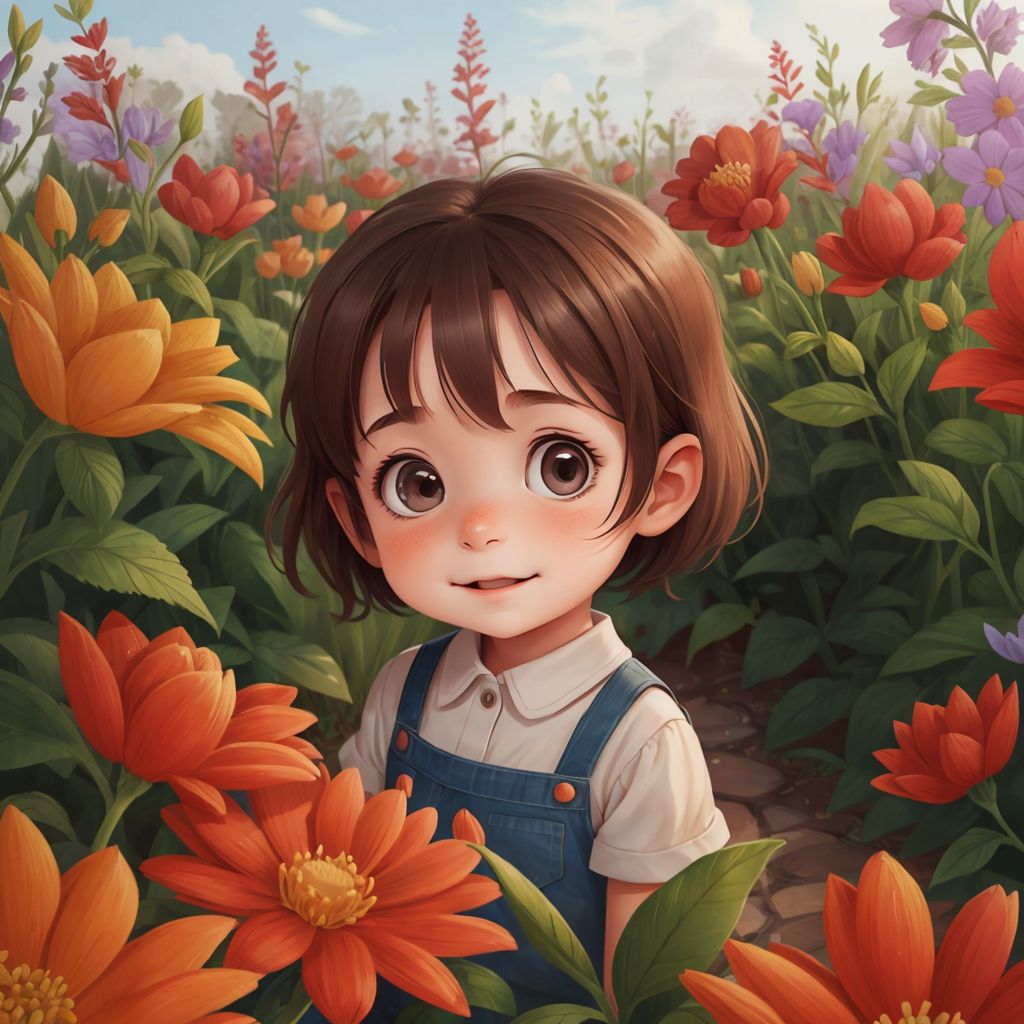
1. Kid is observing by seeing, hearing, smelling, tasting and touching. 2. Scientist observing something. 3. Scientist measuring and observing 4. Kid looking up at a blue sky 5. Kid measuring using a ruler how tall flowers are. 6. Kid holding a ruler while standing on top of a scale. Thermometer is in the water measuring the temperature. 7. Scientist understanding something - lightbulb above head. 8. Kid wearing a scientist jacket excited and has a magnify glass in hand.
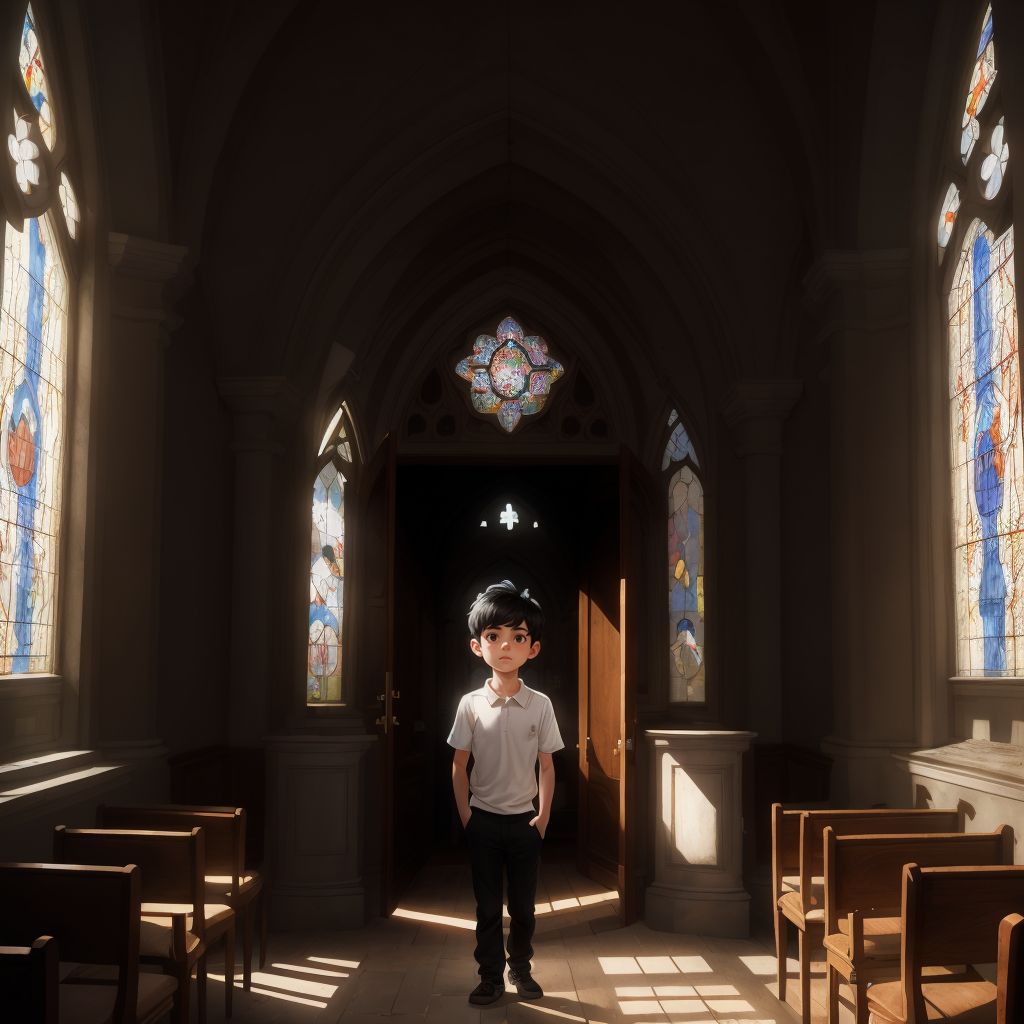
ni
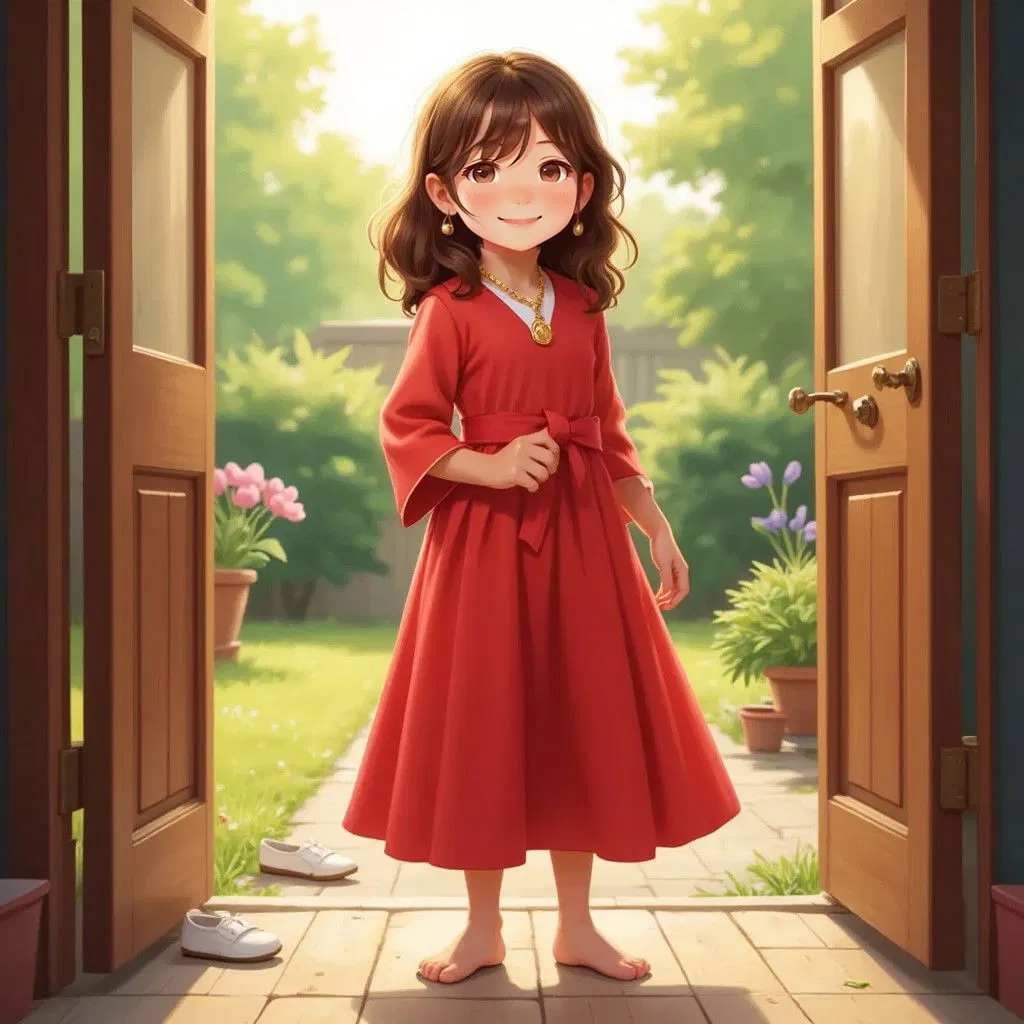
A girl with long brown hair and green eyes play on the beach without wearing shoes
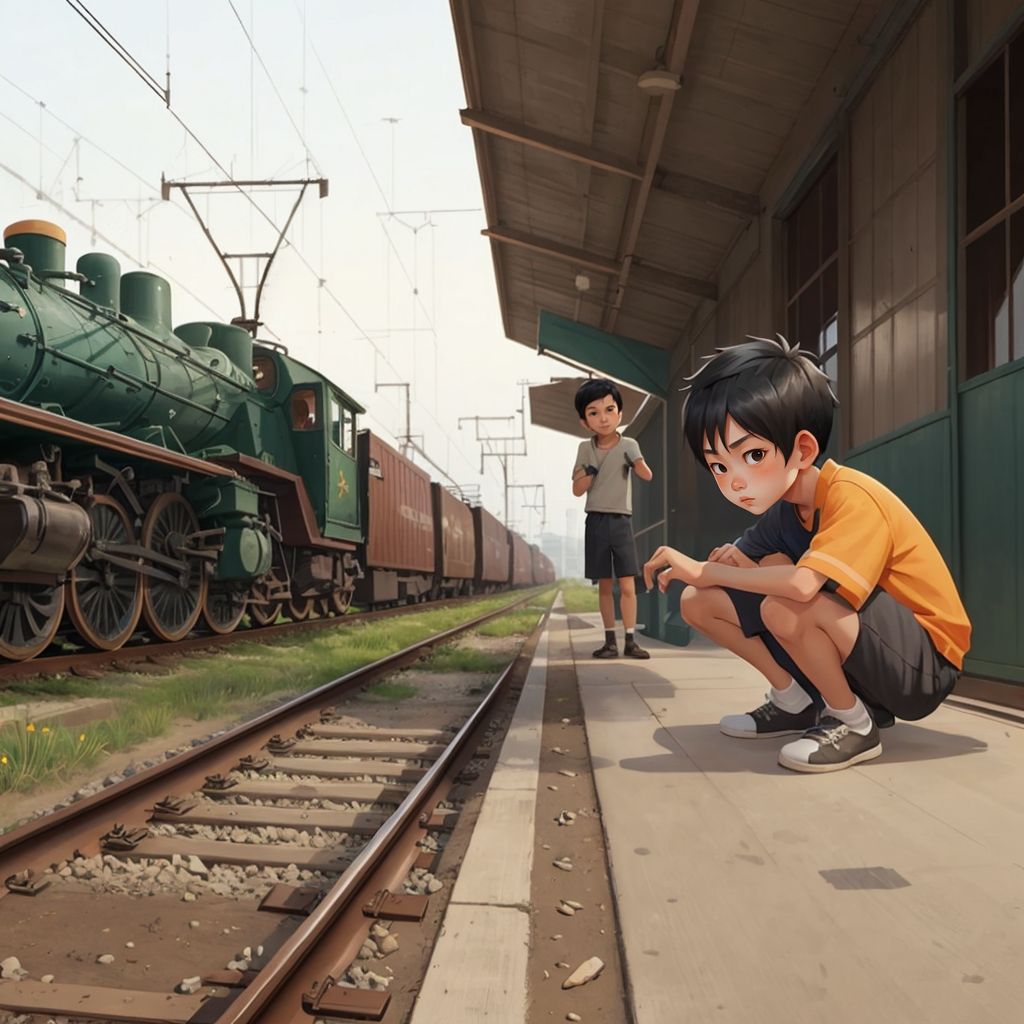
Instruction: 1. illustration very simple During the Civil War, the Transcontinental Railroad aimed to link the U.S. coasts. The Central Pacific Railroad started in Sacramento, CA, employing Chinese laborers, and the Union Pacific in Omaha, NE, with Irish immigrants, Civil War veterans, and freed slaves. Up to 20,000 Chinese workers joined, including 12-year-old Li Wei and his father, who faced discrimination with lower pay and no food or housing. The work was extremely dangerous, with rockslides, explosions, and avalanches, especially in the Sierra Nevada, where workers faced harsh winters and isolation. Sadly, Li Wei’s father died in a rockslide. In 1867, Li Wei and many Chinese workers went on strike for better pay and conditions, but saw limited success. Tensions rose with Native American tribes, like the Cheyenne, who derailed a train near Plum Creek, NE, reflecting the challenges of westward expansion. Despite these struggles, progress continued. On May 10, 1869, the railroad was completed at Promontory Summit, UT, marking a new era in American transportation. Afterward, Li Wei and others faced discrimination in finding work and often lived in isolated Chinatowns. On October 24, 1871, violence erupted in Los Angeles’ Chinatown, killing 19 Chinese, including Li Wei’s friend. In 1875, grieving, Li Wei returned to China. The Transcontinental Railroad was transformative, yet costly for Chinese workers who made up most of the Central Pacific workforce. Facing discrimination and hazardous conditions, they were key to the railroad’s completion. Over 1,200 Chinese workers died, highlighting their sacrifice. Despite advancing U.S. infrastructure, they encountered ongoing hostility and laws against them. Their resilience underscores their overlooked role in shaping 19th-century America.
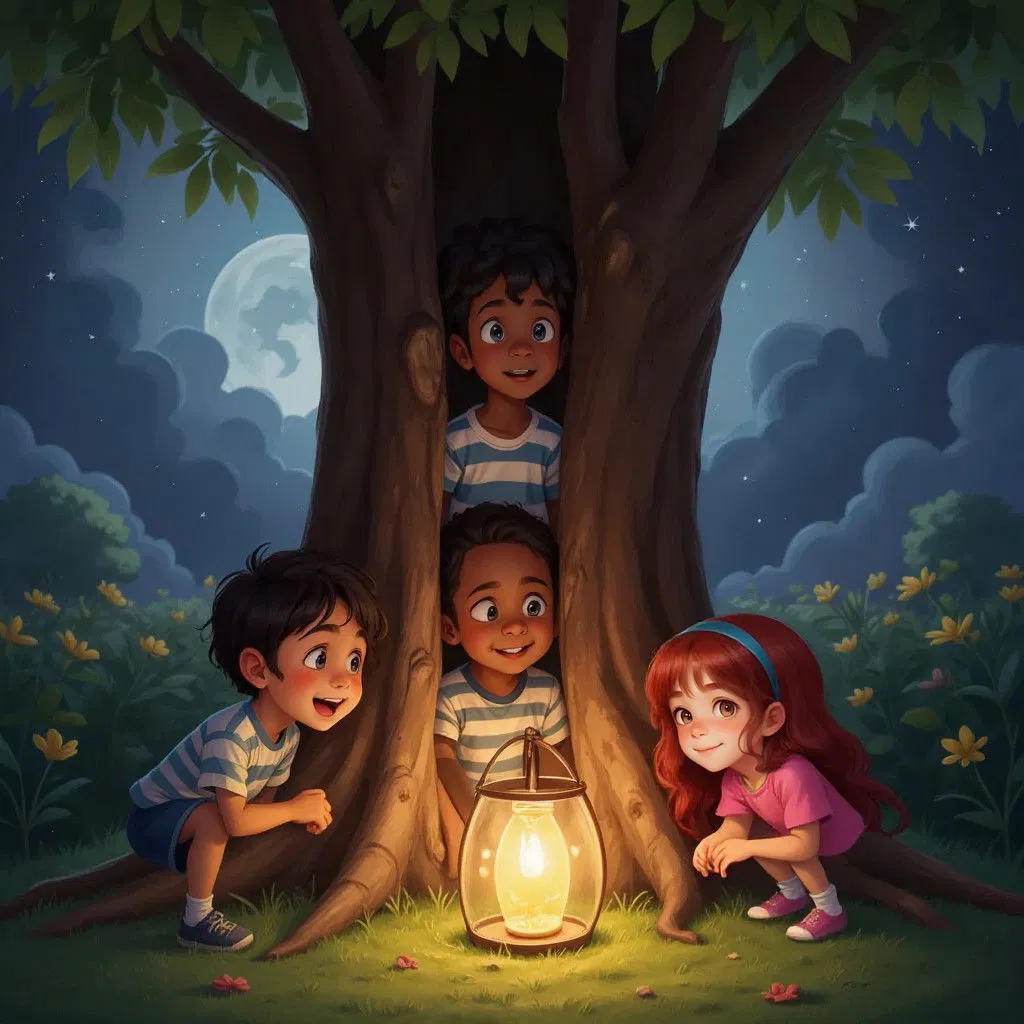
Page 1 : Une clairière sous un ciel étoilé, illuminée par une pleine lune. Les lutins, petits avec des oreilles pointues, dansent en rond autour d'une lanterne qui brille d'une lumière douce et magique. Page 2 : Gwenn, un lutin espiègle, court en portant une petite lanterne lumineuse, ses cheveux flottant au vent. La clairière se dessine en arrière-plan, baignée dans la lumière argentée de la lune. Page 3 : La forêt s’assombrit, des ombres inquiétantes se dessinent entre les arbres, et les lutins se rassemblent, inquiets, leurs yeux brillants de peur. Page 4 : le lutin, accroupi près d'une rivière scintillante, regarde désespéré la lanterne qui ne brille plus. La scène est plongée dans une douce pénombre. Page 5 : Un majestueux chêne avec un visage sculpté dans l’écorce. Gwenn regarde vers le haut, écoutant Branoc, tandis que des chouettes volent doucement au loin. Page 6 : Une chouette perchée sur une branche tend une plume brillante au lutin, qui sourit de gratitude. Les étoiles scintillent faiblement dans le ciel. Page 7 : Un gros plan sur le lutin tendant une coquille de noix pour attraper une goutte de rosée brillante. Les rayons du soleil commencent à poindre à l'horizon. Page 8 : Gwenn, sur une colline, tend sa main vers le ciel. Une étoile filante laisse derrière elle une traînée lumineuse, et une petite étincelle descend vers lui. Page 9 : Les lutins entourent Gwenn, joyeux, tandis que la lanterne brille de mille feux. La clairière s'illumine de magie et de couleurs. Page 10 : Un panorama de la clairière enchantée, avec des korrigans dansant autour de la lanterne magique. La lumière de la lanterne s’élève jusqu’au ciel, formant une traînée lumineuse.