
 Start Read
 Recommend
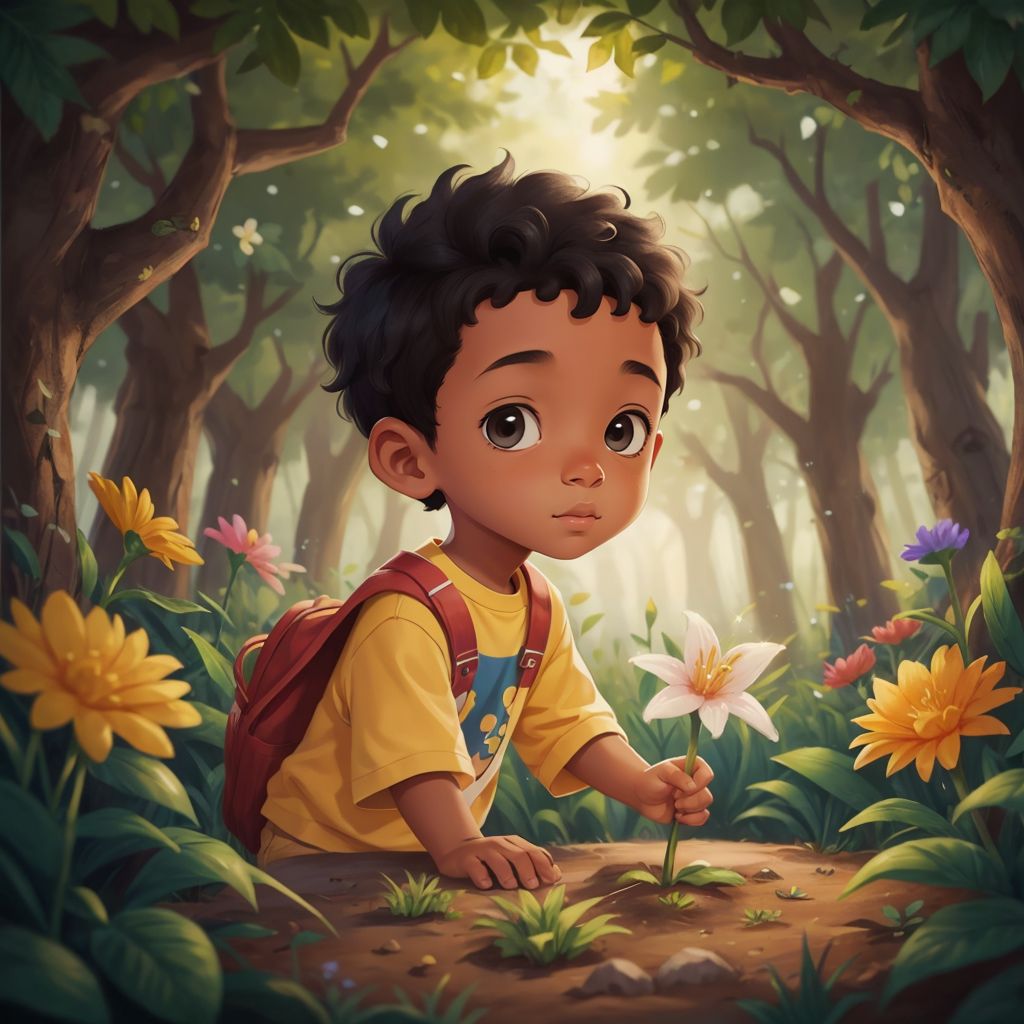
Provide me with a story line for a children's book. The main character is a boy named Midas with a similar story to the more familiar story about the Midas touch. The twist is every he did came easy he never real had to put up much of an effort. But one things got tough and he had to learn how to work hard and preserve to be successful.
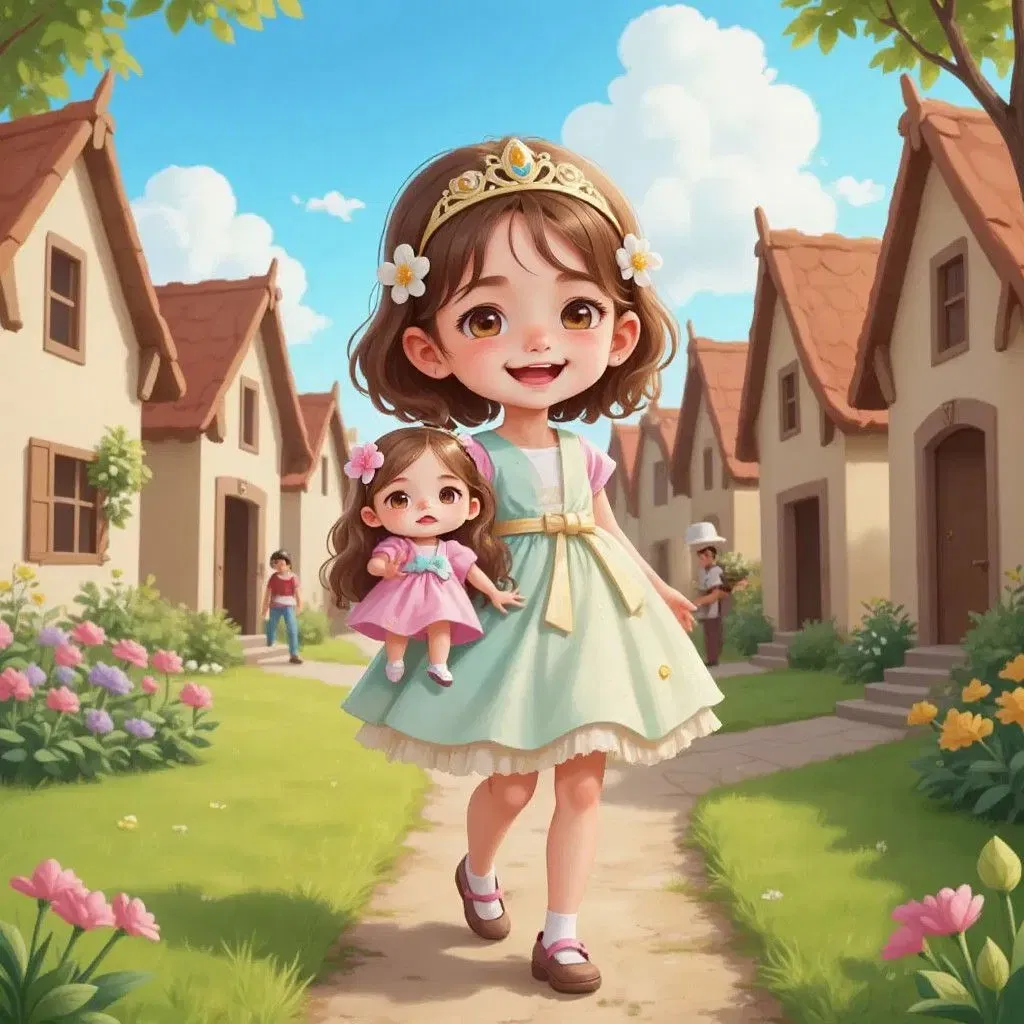
Synopsis: A cheerful young fairy named Pixie discovers a magical babydoll named Bella. Together, they go on whimsical adventures, make new friends, and help those in need, building a heartwarming friendship along the way. Characters: Pixie - : Design an illustration of Pixie, a cheerful 4-year-old girl with bright pink wings and a mischievous twinkle in her eyes. She has sparkling blue eyes and golden curls, adorned with tiny flowers. Pixie wears a delicate dress made of petals that reflect the colors of the rainbow. She carries a tiny wand that glows with magical energy. The setting is a charming village nestled between rolling green hills, flower-filled meadows, and glistening streams. Bella - A magical babydoll with rosy cheeks, big blue eyes, and a soft dress. Nutty - A tiny, lost squirrel who becomes friends with Pixie and Bella. Supporting Characters - Butterflies, talking animals of the forest, and village creatures. Plot: Beginning: Pixie finds Bella in a charming village and feels an instant magical connection. Middle: Pixie and Bella embark on adventures, dancing with butterflies, splashing in streams, and making friends with forest animals. They rescue a lost squirrel, Nutty, from a deep hole. End: Pixie and Bella celebrate their bravery and friendship with Nutty. They return home and snuggle up in bed, grateful for their bond. Themes: Friendship, bravery, adventure, and the magic of helping others. Setting: A charming village nestled between rolling green hills, flower-filled meadows, glistening streams, and a cozy fairy house.
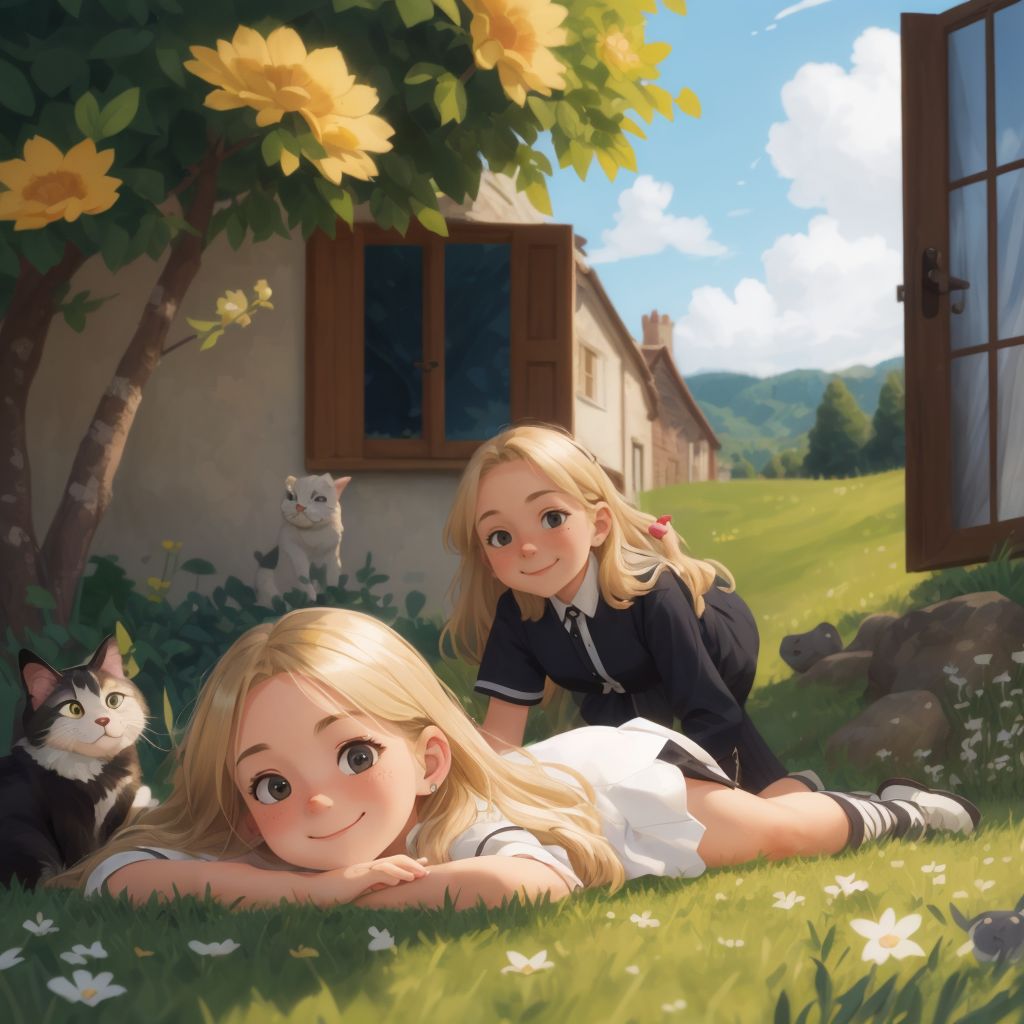
The girl has always dreamed of travelling around the beautiful world, but her family is poor, so it stays just a girl's dream.

The Misadventures of the Grumpy Globe, Diction-Harry, and the Crabby Desk" is a heartwarming tale set in Ms. Perriera's bustling grade 3 classroom. Amidst the chaos, Grumpy Globe longs for peace, Crabby Desk endures the rowdy antics of students, and Diction-Harry yearns for his past relevance. When Ms. Perriera's pregnancy prompts classroom cleanup, the trio fears abandonment, but learns they're cherished. Years later, Ms. Perriera's daughter, Gloria, learns from them, and they realize the true beauty of friendship, finding joy in life's simple pleasures.
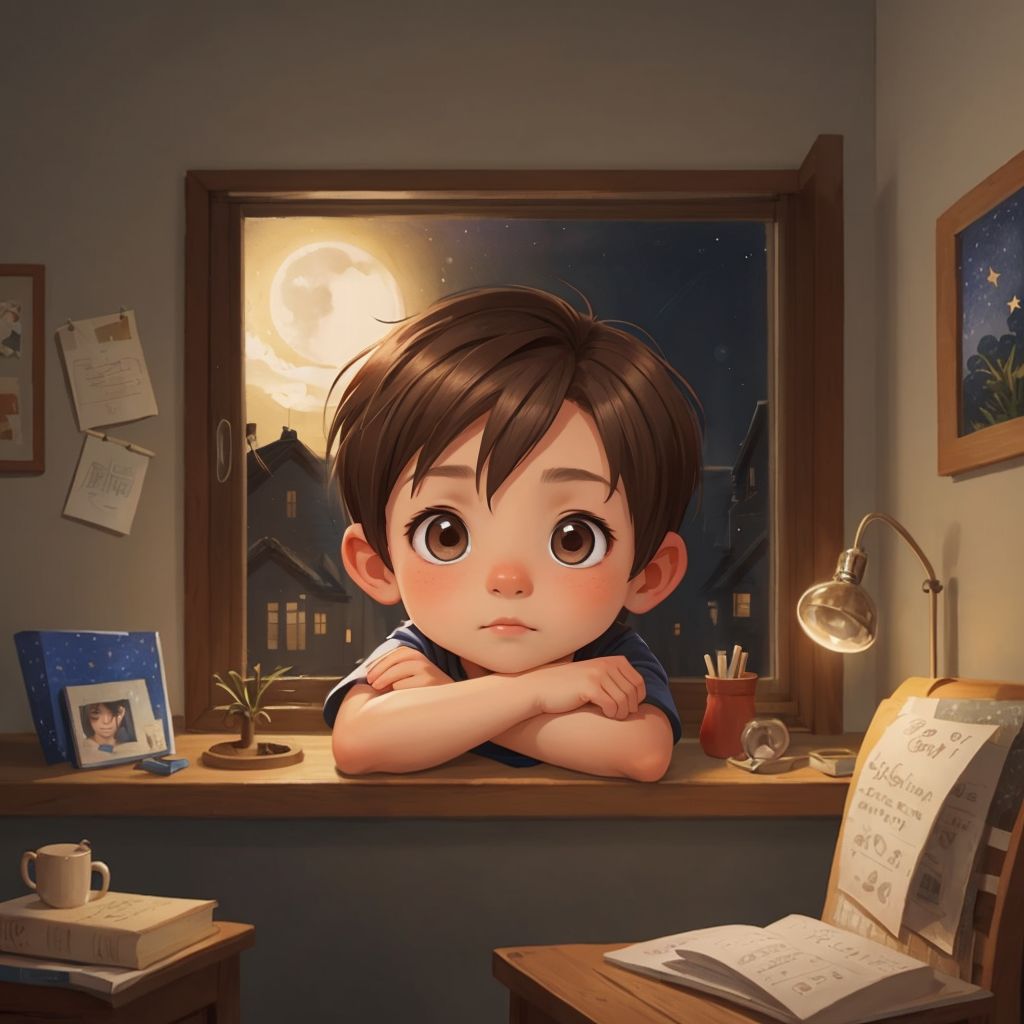
the Little Astronaut
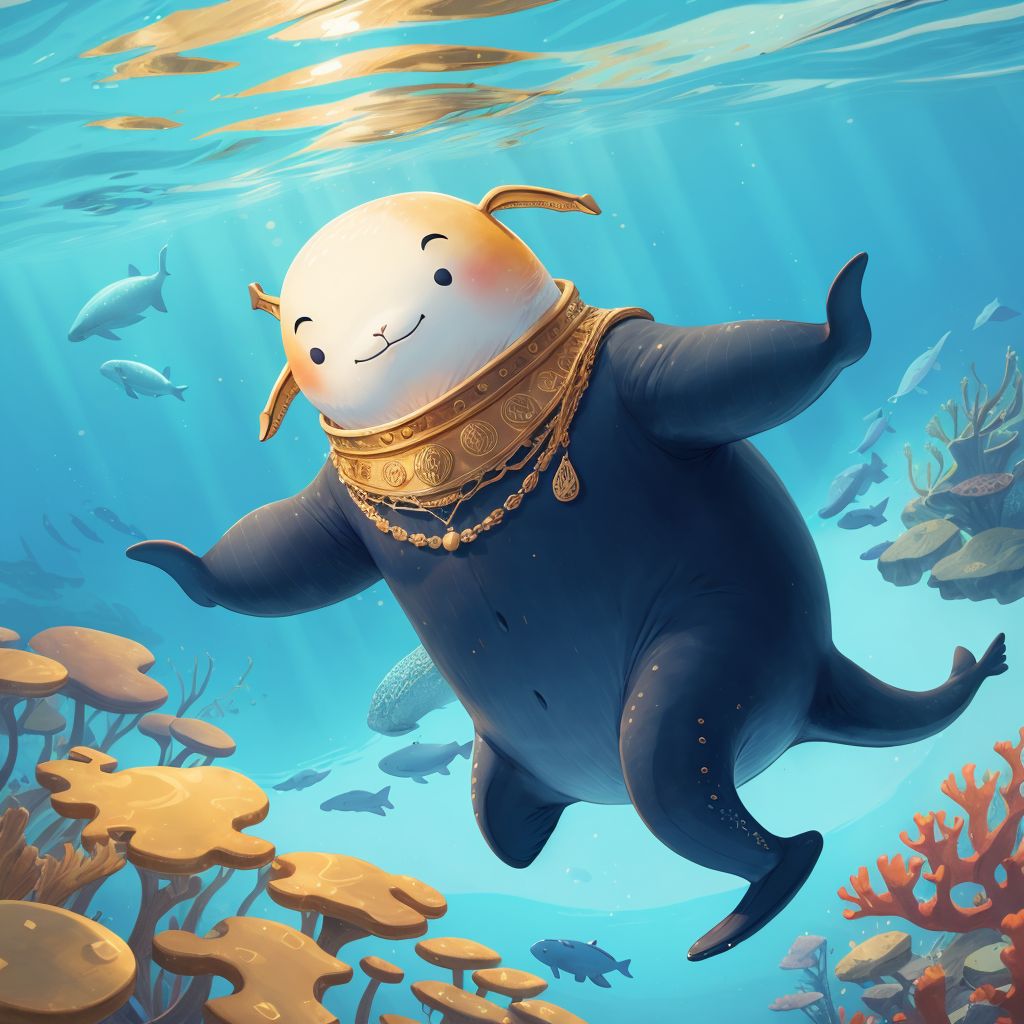
This narrative follows Willy HODL, a once overlooked nerd who metamorphoses into a crypto magnate and leader of the Whale Club. Over five scenes, his journey from heartbreak to financial and social eminence will unfold, portraying ambition, resilience, and the power of community in the crypto realm.
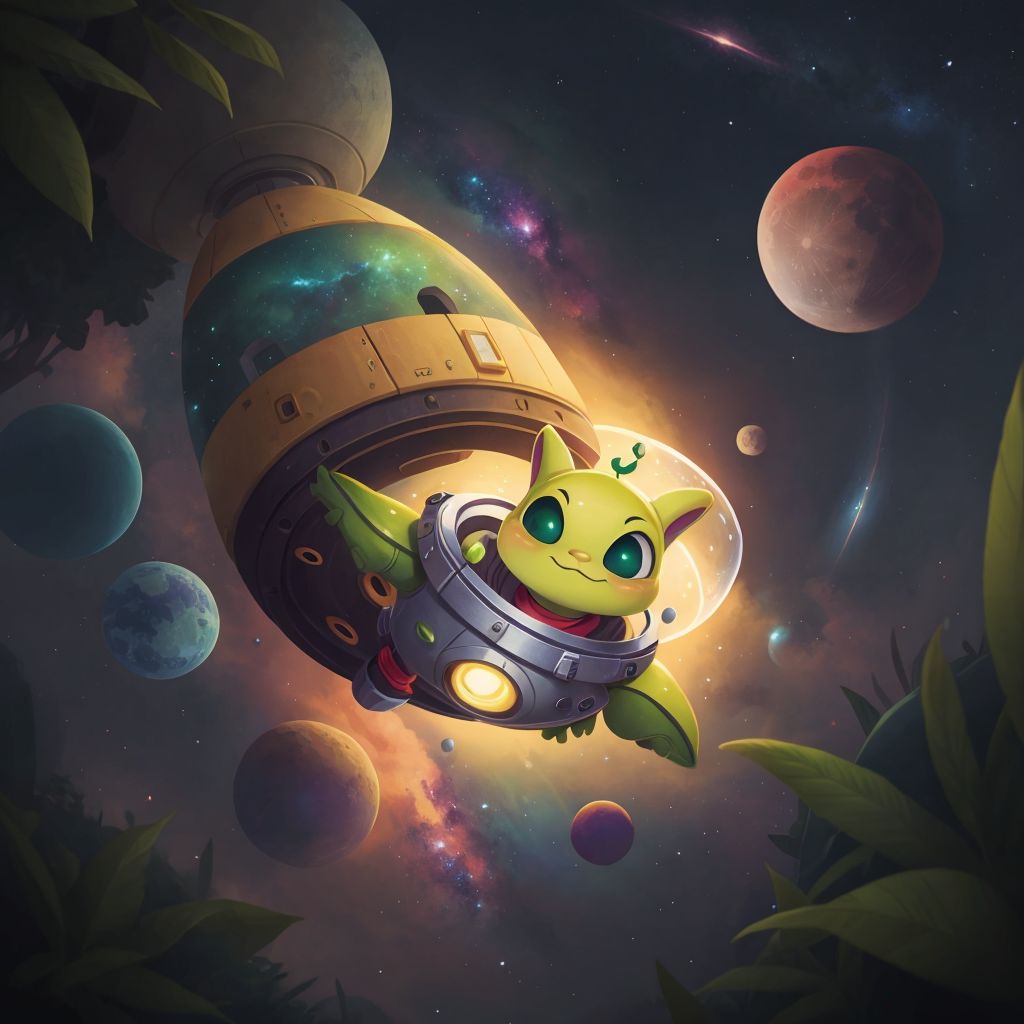
A cute green little alien flying around the galaxy and the moon looking like cheese. Use rainbow colors
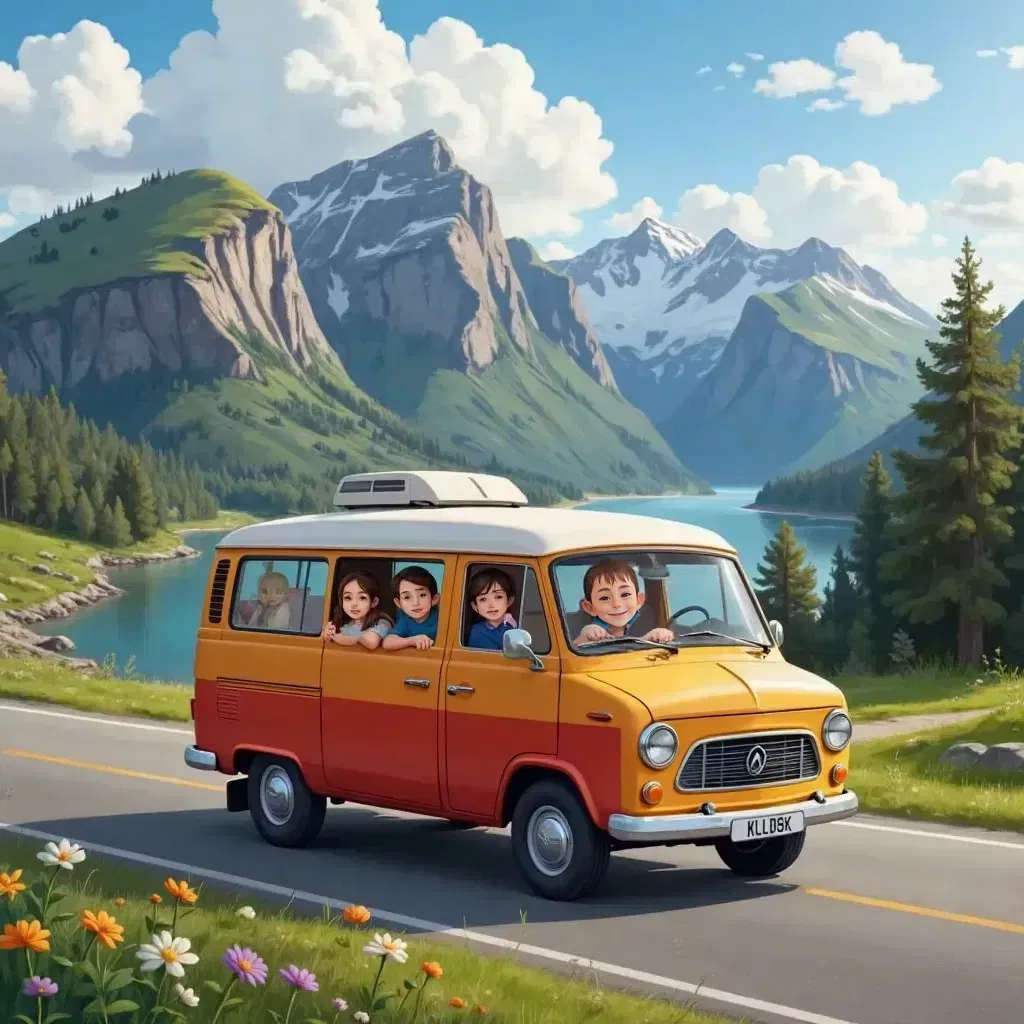
Introduction: Diana, Daniel, and their chocolate Labrador, Jack, live an extraordinary life. With their adventurous parents, they travel the world full-time in a cozy campervan, discovering new places and learning exciting things along the way.
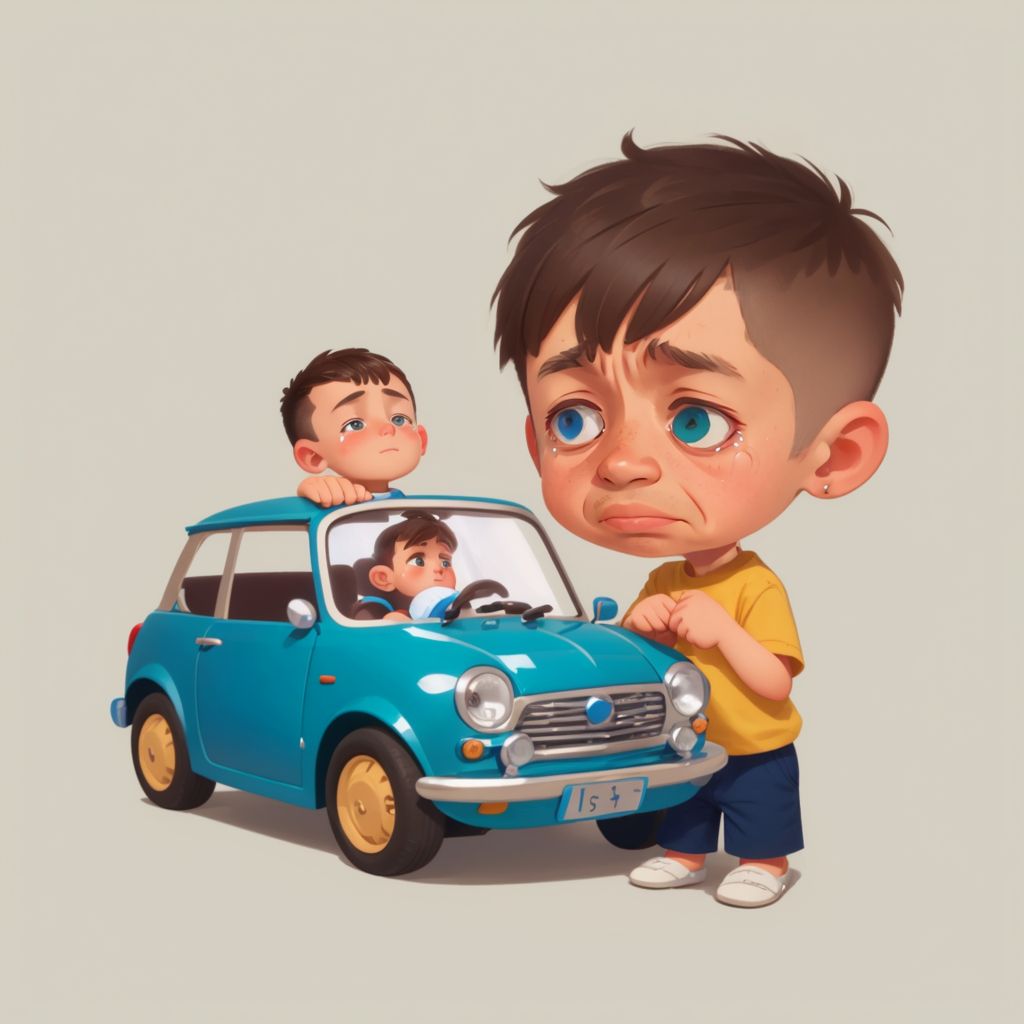
Daddy teaches Cooper about forgiveness,t can help free you from the control of the person who harmed you. Sometimes, forgiveness might even lead to feelings of understanding, empathy and compassion for the one who hurt you. Forgiveness doesn't mean forgetting or excusing the harm done to you.
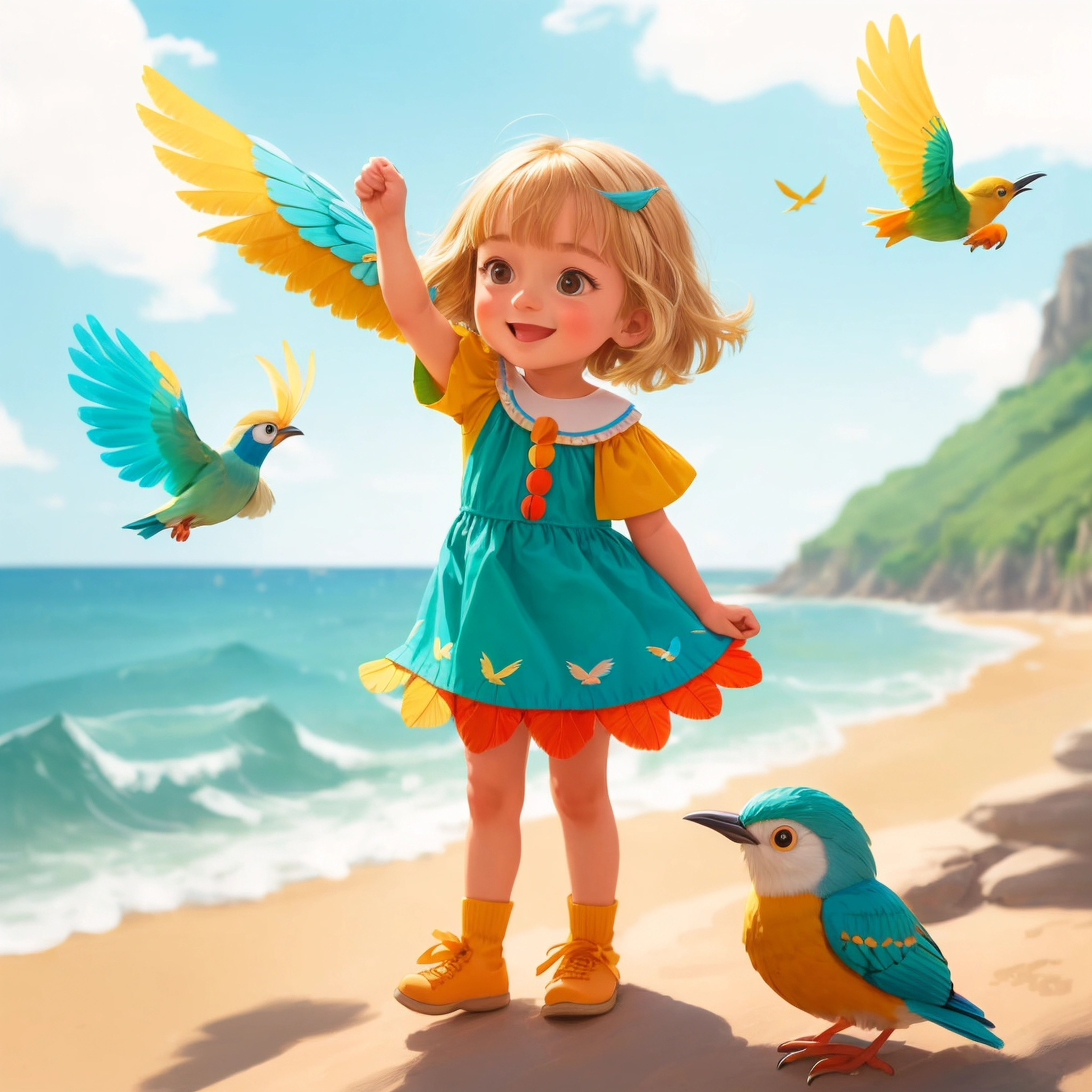
Adventures by the Sea
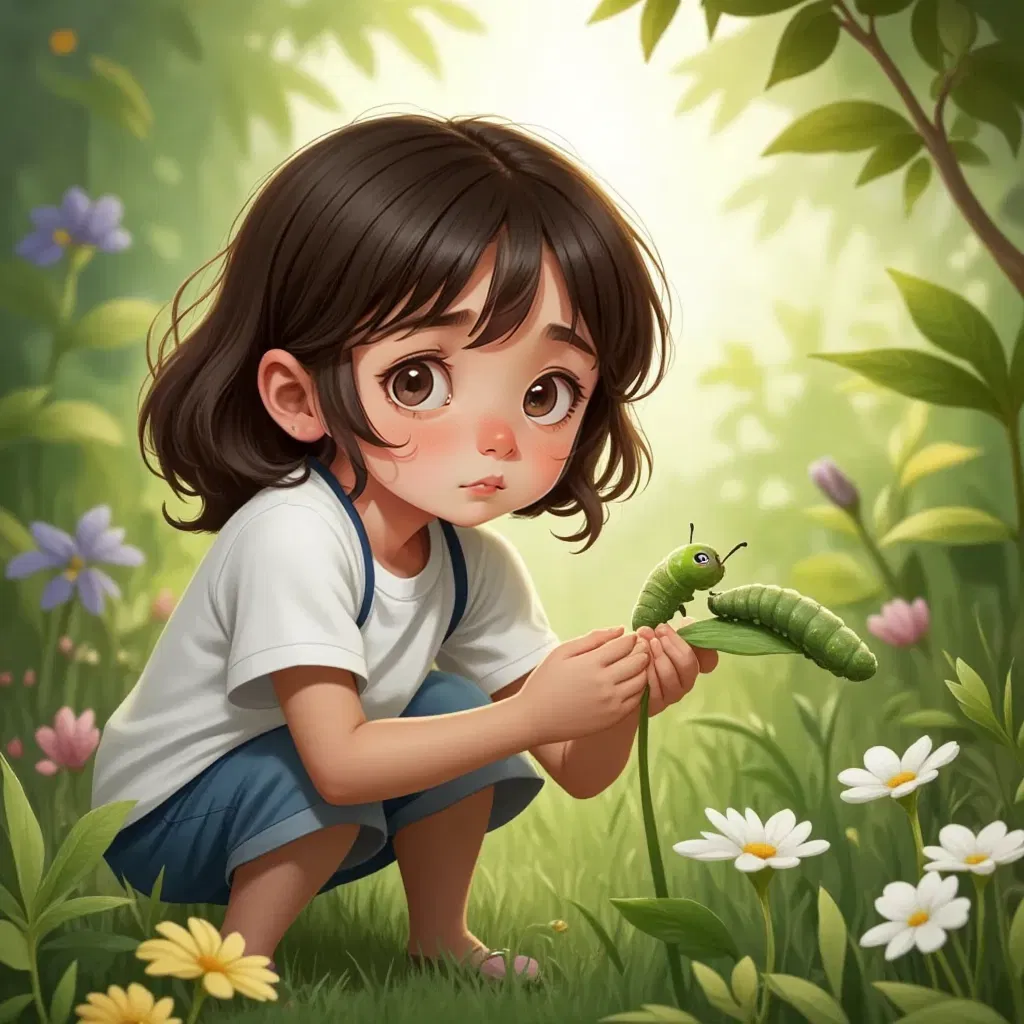
Following the incredible transformation and migration of butterflies teaches a child about change and perseverance.
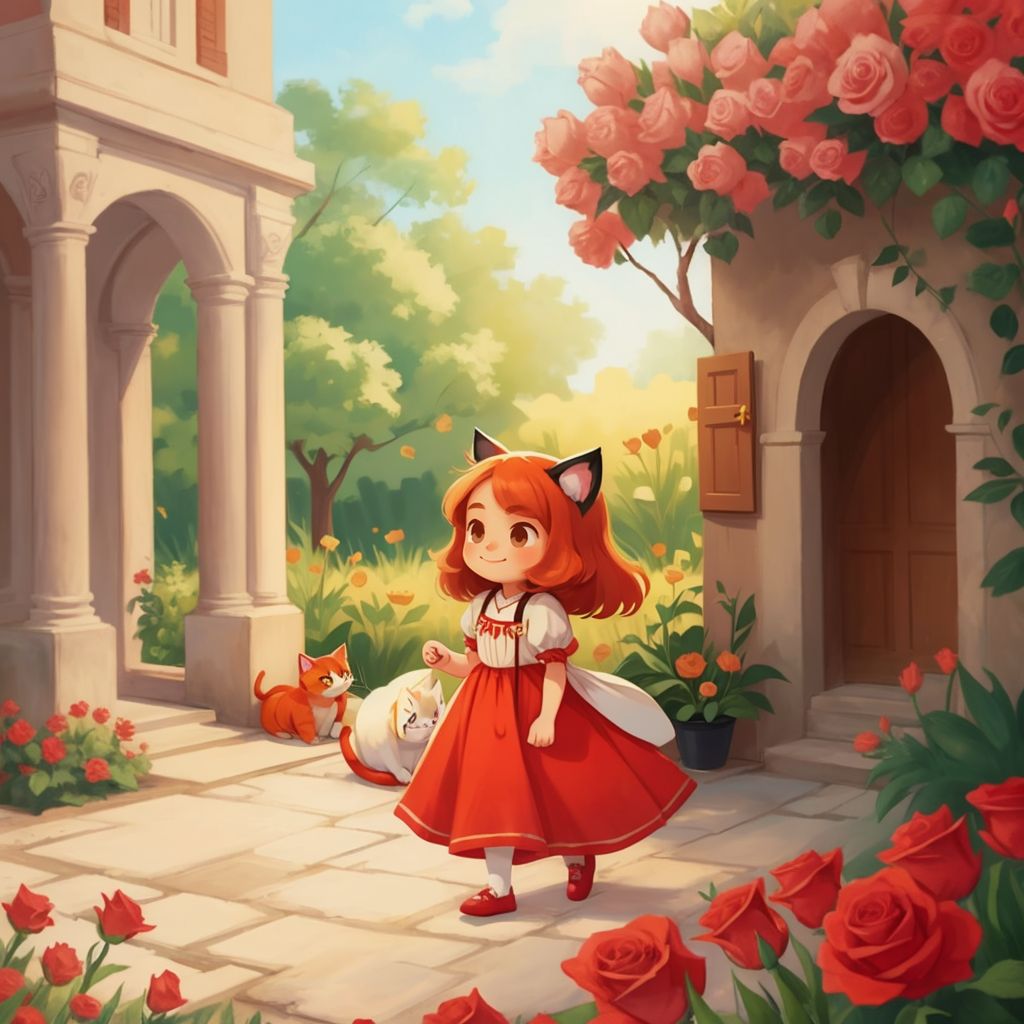
The princess cat goes on walks in her palace. Then her princess owner came walking in and gave the princess cat a pretty flower. In a palace with one cat princess and one human princess. One human queen and one human king that is the princess human's mom and dad.
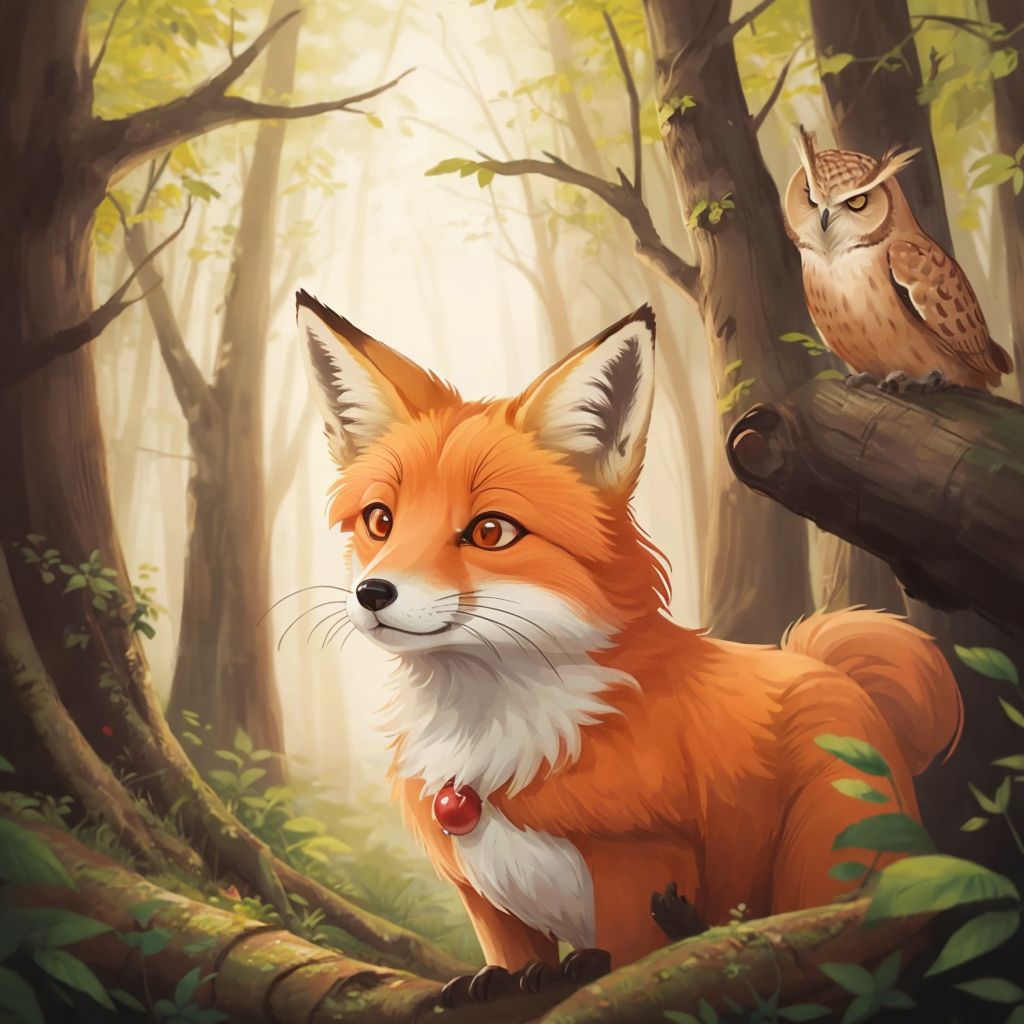
In the vibrant forest of Evergreen, a young fox named Felix stumbles upon an old wise owl named Oliver, who teaches him simple yet profound steps to lead a happy life. These principles includes kindness, respect, truthfulness, caring, forgiveness, curiosity, courage, empathy, and cooperation. By embracing these guidelines, Felix transforms into a better individual ready for any challenge that lay ahead and also inspires those around him to follow this path toward creating a thriving harmonious world where everyone can flourish together happily.

little drop of water named Drippy. One bright morning, the sun shone brightly over the lake, making the water warm. Drippy felt the heat and began to rise into the air, turning into a tiny water vapor. Drippy was starting a big adventure! Drippy joined other tiny drops of water to form a cloud. The clouds were fluffy and soft, and Drippy was excited to be part of something so big. In the cloud, Drippy made new friends with other water drops. They danced around in the wind, having so much fun! But soon, Drippy noticed the cloud getting darker and heavier. It was starting to feel crowded with so many drops of water. One day, the cloud couldn’t hold all the water drops any longer. After the rain stopped, Drippy felt the ground begin to shake. The puddle it landed in started to flow toward a stream. Part 6: Into the Ocean! The stream grew bigger and bigger, merging with other rivers until it finally reached the vast ocean. Drippy was amazed by how big and blue the ocean looked. It spread out as far as the eye could see! Drippy had never imagined such a large body of water. Now, Drippy was a part of the ocean, and there was so much more to explore. One warm day, the sun’s heat started to warm up the ocean. Drippy felt light again and began to rise, just like before.
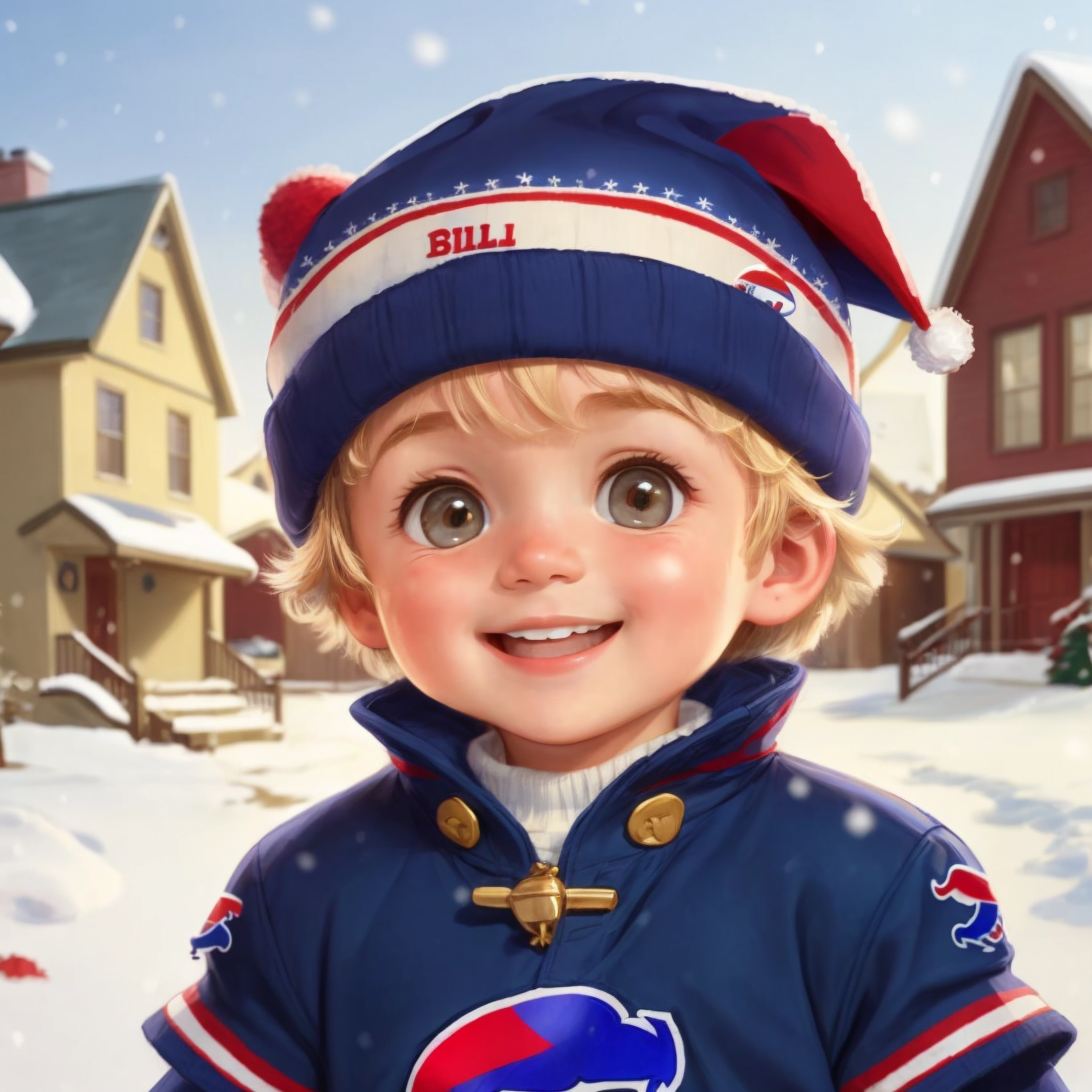
2 year old Jack goes to a buffalo bills game with josh allen! This spirited children's book captures the magic of Christmas, the excitement of Buffalo Bills fandom, and the joy of celebrating the holiday season with family and community in the charming city of Buffalo, New York.
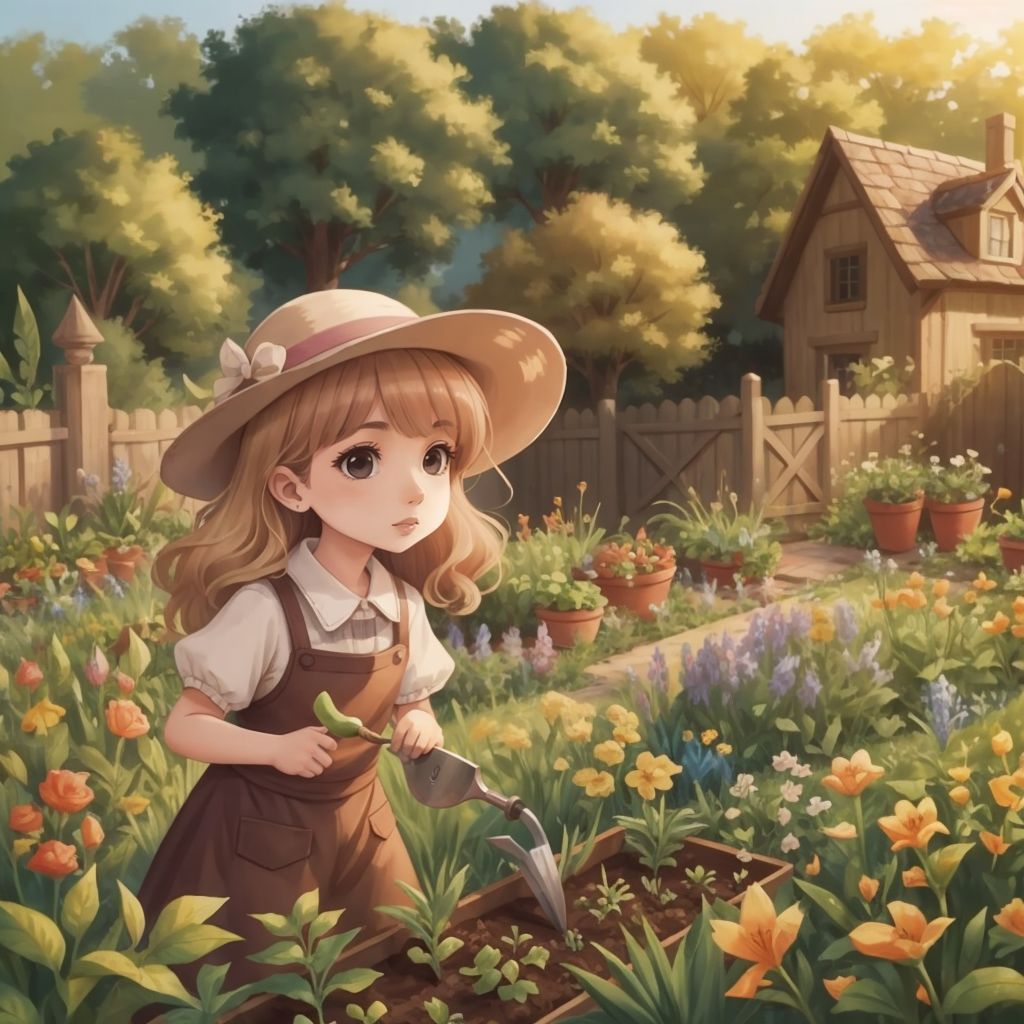
Mona Pink plants a garden with flowers of every color. As she waters and cares for them, she learns about different colors and how plants grow.
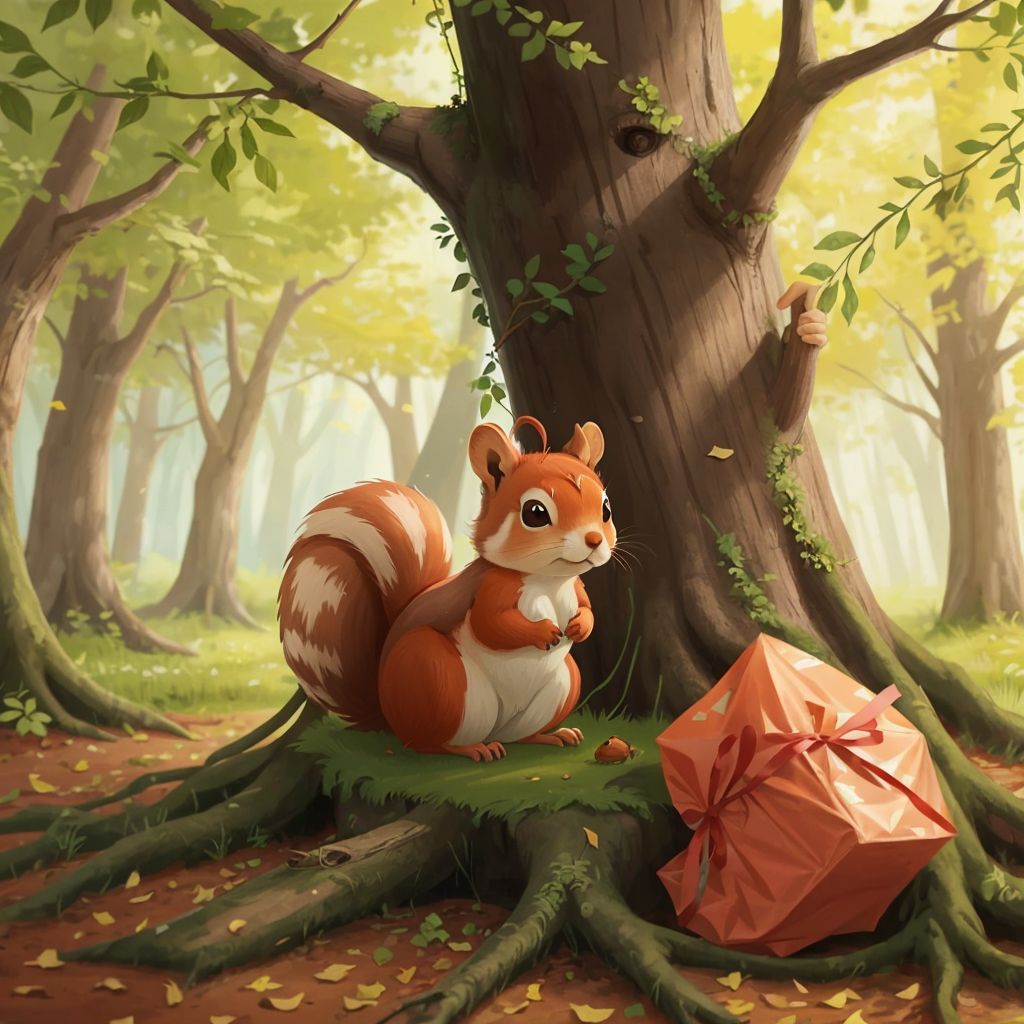
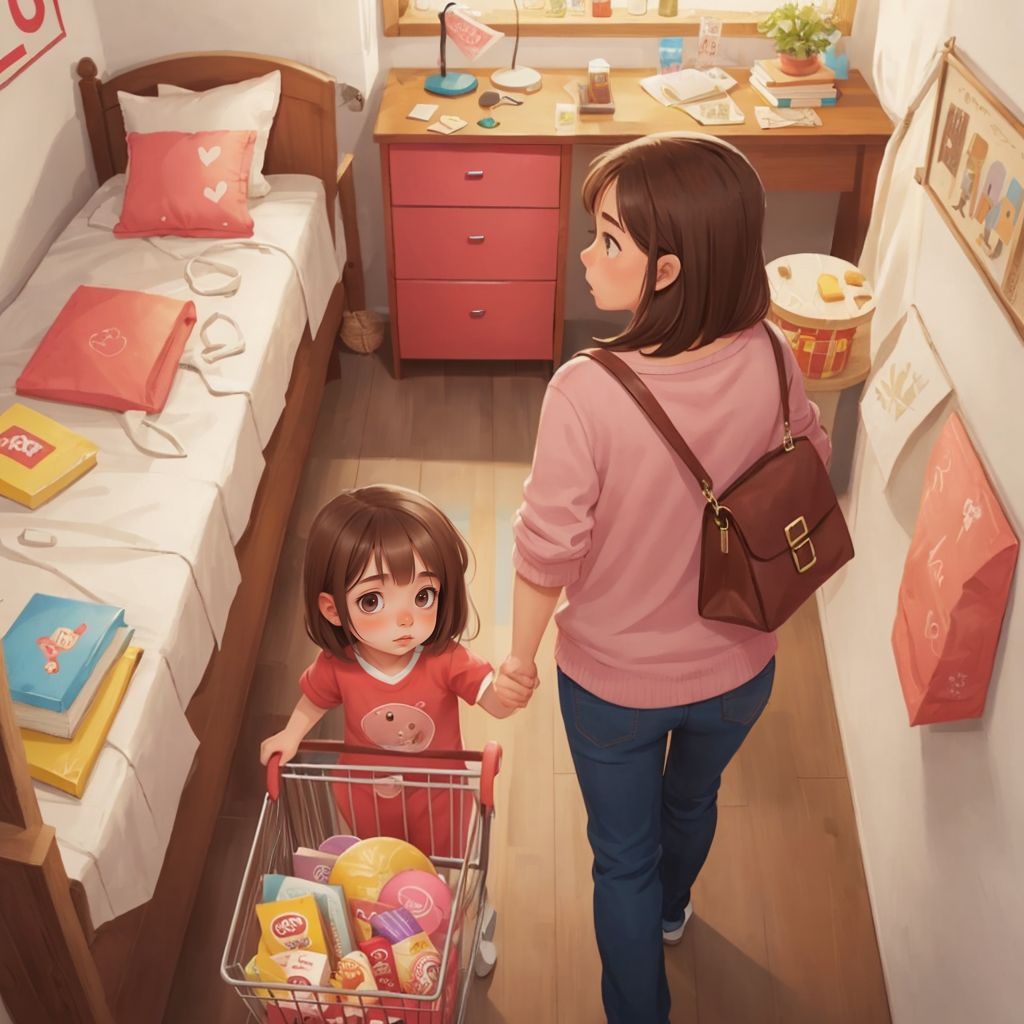
Today is Violetta's birthday. She is very interested in what is hidden in those packages that were given to her.
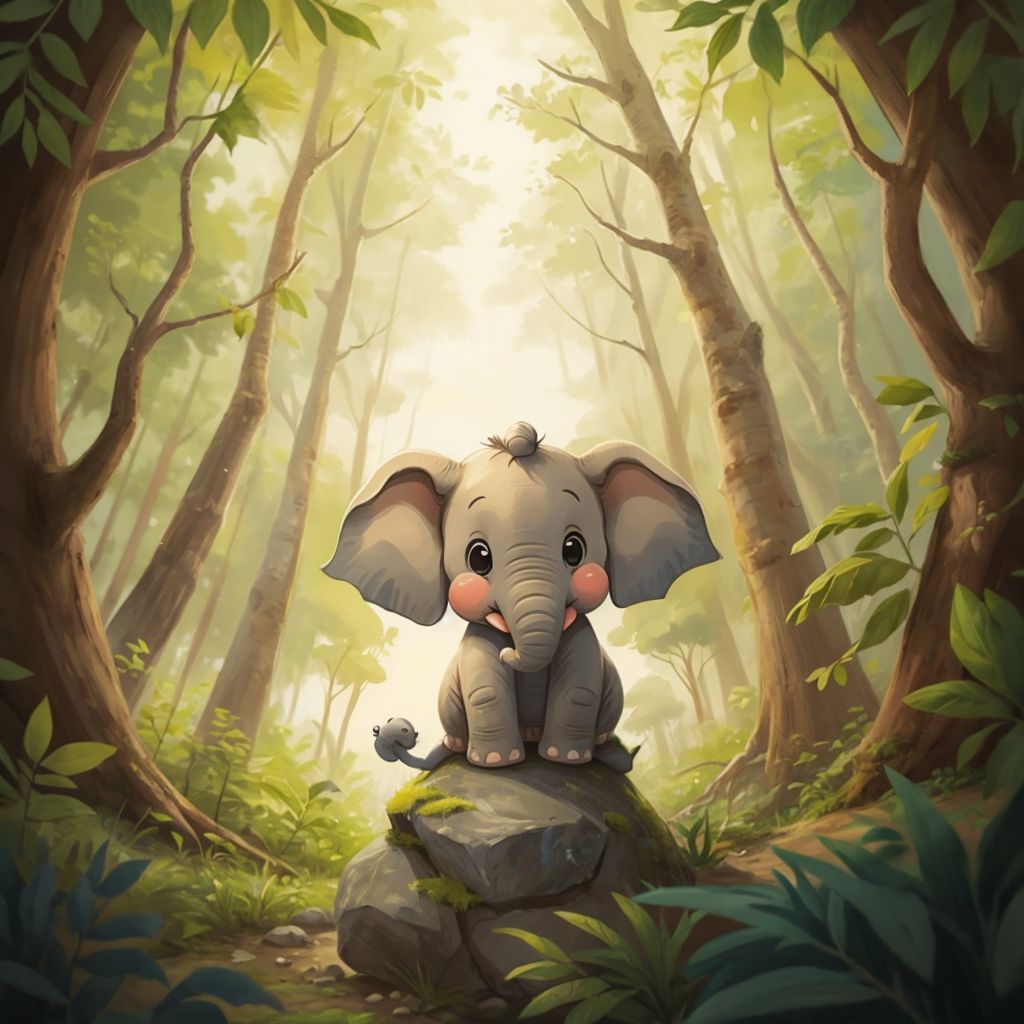
Ellie the Elephant was small, but she dreamed of being big and strong like the tall trees in the jungle. One day, she tried to move a big rock, thinking it would make her strong like the big elephants. But the rock wouldn’t budge, and Ellie felt sad. Max the Monkey saw her and said, “You don’t need to be like the big elephants. Everyone has something special!” Max pointed to Gigi the Giraffe and Zane the Zebra, showing Ellie that each friend had their own strength. Ellie thought for a moment, then tried pushing the rock with her trunk. This time, she moved it just enough to walk around it. “Look! I did it!” she cheered. Her friends clapped and cheered, and Ellie realized she didn’t need to be big like the others. She was strong in her own way. Ellie played with her friends, swinging from vines, racing, and helping Gigi get leaves. She felt proud of herself for being just who she was. In the end, Ellie learned that being herself was the best thing of all. She was perfect just the way she was. Lesson: It’s okay to be different; everyone is special in their own way!
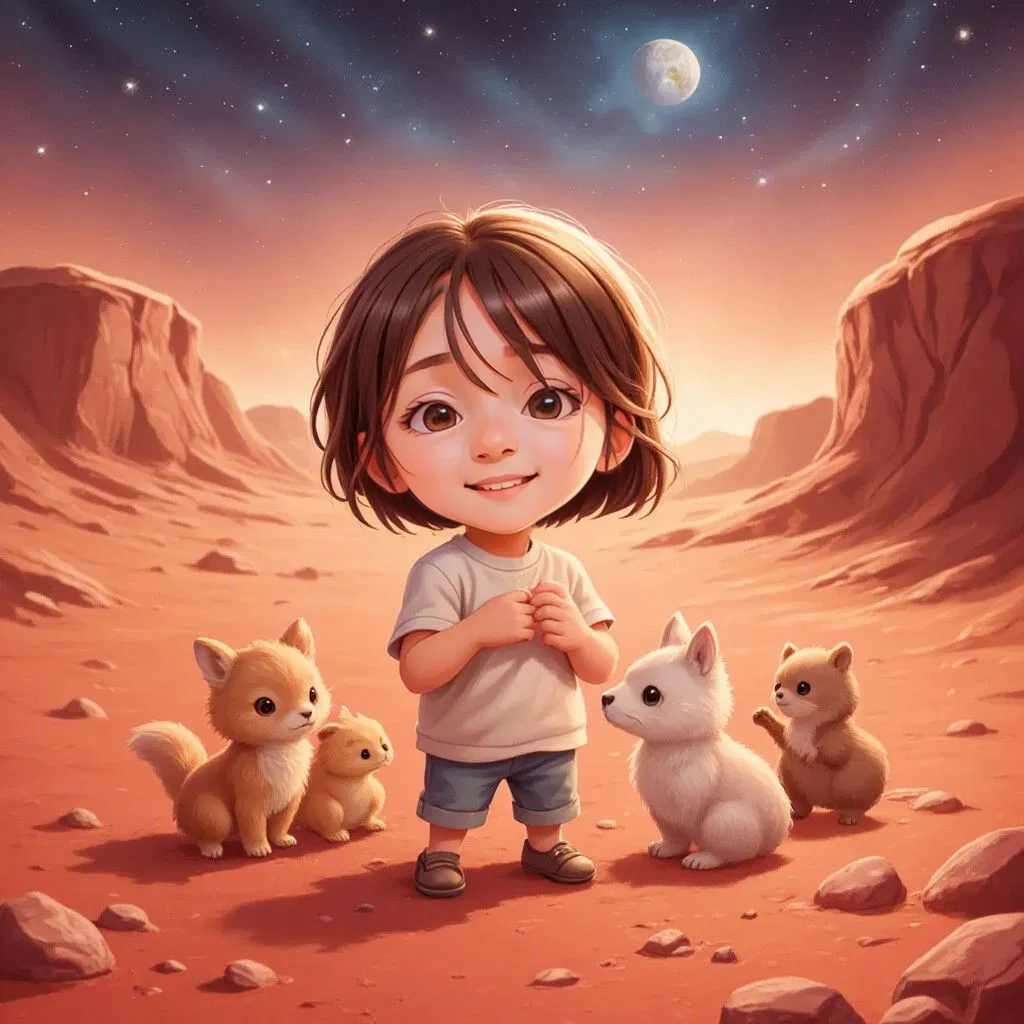
Our main character is a 9 year old girl named Mily. The protagonist is a white and brown haired cat named Pinky. Mily is curious, spunky, generous, brave, quick-witted, and her ingenuity always comes in clutch. Mily is a galaxy wanderer going from planet to planet. She currently lives on Mars and her town is called Mira Marsa. Mily takes her ship from planet to planet to meet new furry friends. Mily is still a young child finding her way in life as she tries to meet new furry friends. In her travels, the cat named Pinky is trying to sabotage Mily's journey by scheming to turn her new furry friends against her. But Mily shows love, care , communication, and transparency to negate all the negativity that the cat named Pinky creates. In Mily’s journey, she is accompanied by Ezra her younger brother and older brother Drew and Drew’s dog Linda. During hard times, Mom and Dad are the angel voices in her head to help her through tough times to remind her that there are good beings in the galaxy. The message of the story is that Life is a long journey with many trials and tribulations with ups and downs. Stay on the path toward love and appreciation and things will turn out great. The lesson or value we want to convey is that When things and or furry beings are against you, there are 10 times more furry beings that are rooting for you. The story tries to teach To keep striving to be the best person you can be. The book should start out with how loving and understanding Mily is. That she loves furry animals. Then we have the cat named Pinky that is sabatoging her jouney. the end of the story is how Mily and the cat named Pinky become best of friends and continue the galaxy journey together finding new furry friends with Playful tone with an educational style
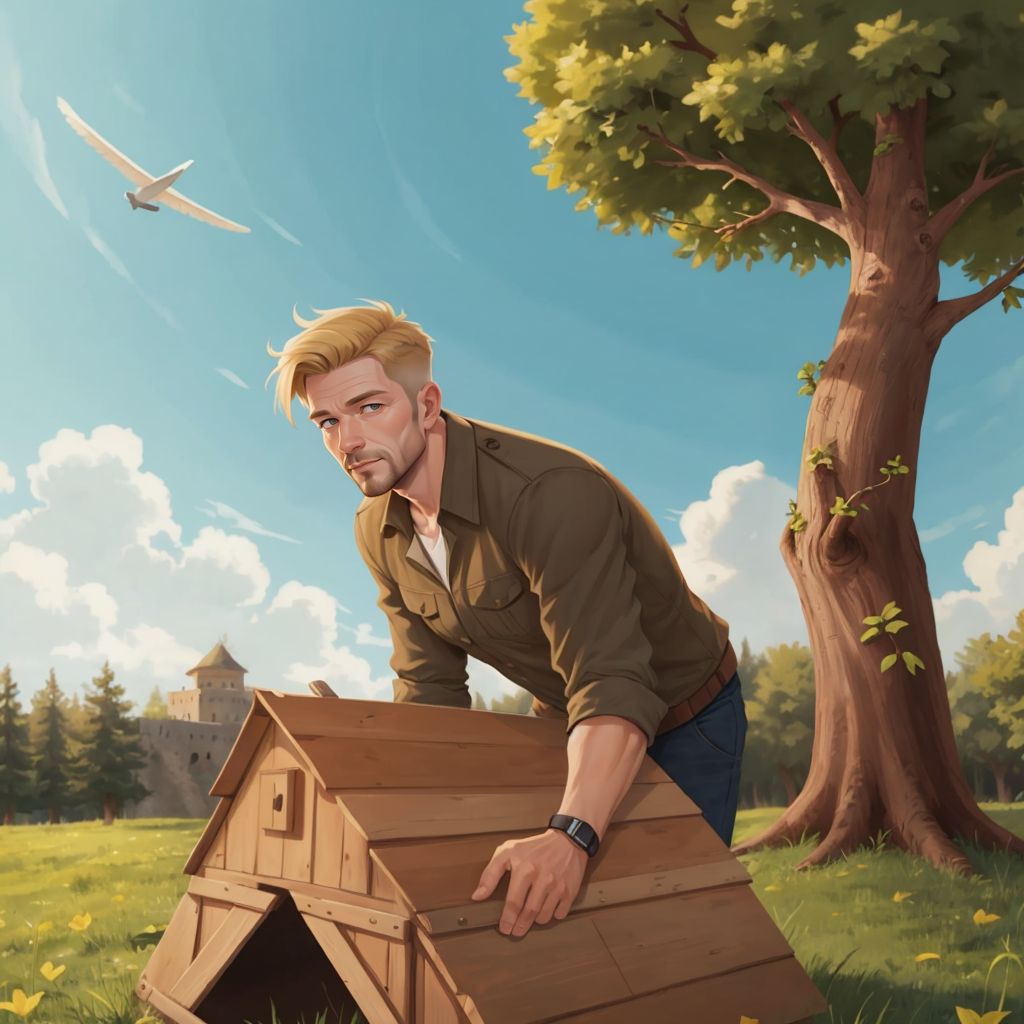
Larry and Sam grew up as childhood friends, sharing countless hours of play. However, their paths diverged as they grew older—Larry became a successful businessman, while Sam faced challenges that changed his life. Over time, they lost touch and rarely spoke. One day, they unexpectedly crossed paths at a local park. Sitting on a bench, they realized how long it had been since they last connected. Feeling the distance between them, Larry finally asked, “Why don’t we talk anymore?” Sam shrugged, and Larry recalled, “You borrowed my toys and never gave them back.” That night, Larry reflected on their friendship and decided to make amends. He dug out the old toys from his childhood and took them to Sam's house, saying, “We shouldn’t let something so silly come between us.” With a smile, they rekindled their friendship, realizing that true connections are worth preserving.